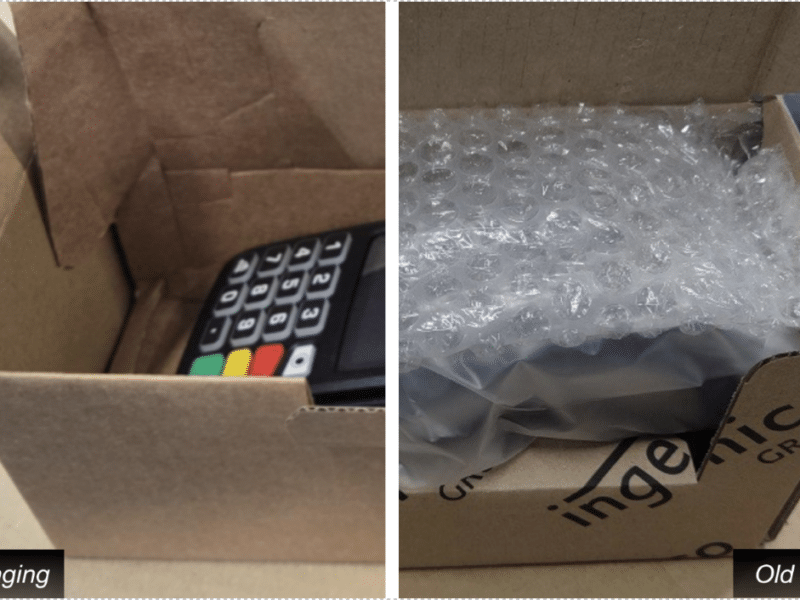
According to the Global E-Waste Monitor‘s Nov 2024 edition, global e-waste production will reach 82 million kg by 2030, a 141% rise from the 34 million kg of e-waste generated in 2010.
The mounting e-waste volumes and tightening disclosure rules, along with stricter environmental regulations due to concerns around climate change, have turned sustainable IT from a side project into a core operating question.
For enterprises, the shift can also bring practical benefits, including lower energy costs and hardware costs, better resource efficiency, and more responsible technology and resource management.
Key Overview
- Sustainable IT helps organizations reduce the environmental impact of technology while improving how they manage energy use, hardware lifecycles, and end-of-life assets.
- Approaches include using software and hardware more efficiently, adopting efficient energy technologies, cutting waste, and making smarter technology decisions that can lower costs, save resources, and reduce the environmental impact of IT.
What sustainable IT practices actually involve
Sustainable IT, also known as green IT, is a working process where an enterprise builds, runs, and retires its technology in an eco-friendly way.
The scope spans four areas:
- Energy-efficient computing
- Data center operations
- Hardware lifecycle management, responsible procurement
- Secure end-of-life disposition
Each of these areas creates a different kind of impact and return. Sustainable energy and IT infrastructure changes show results faster in monthly utility bills, while lifecycle and procurement changes take longer to pay off but carry the largest environmental weight, since manufacturing new hardware accounts for the bulk of a device’s lifetime emissions. Extending hardware lifecycles also reduces the demand for new materials and helps conserve natural resources.
Understanding each part clearly is important for an organization. A CIO focused on hitting sustainability goals within a year is more likely to prioritize energy-related improvements. Someone working on a longer-term program has to give more attention to hardware lifecycles, procurement decisions, and the efficiency of IT systems, even if those changes take longer to deliver results.
What are the benefits of sustainable IT practices?
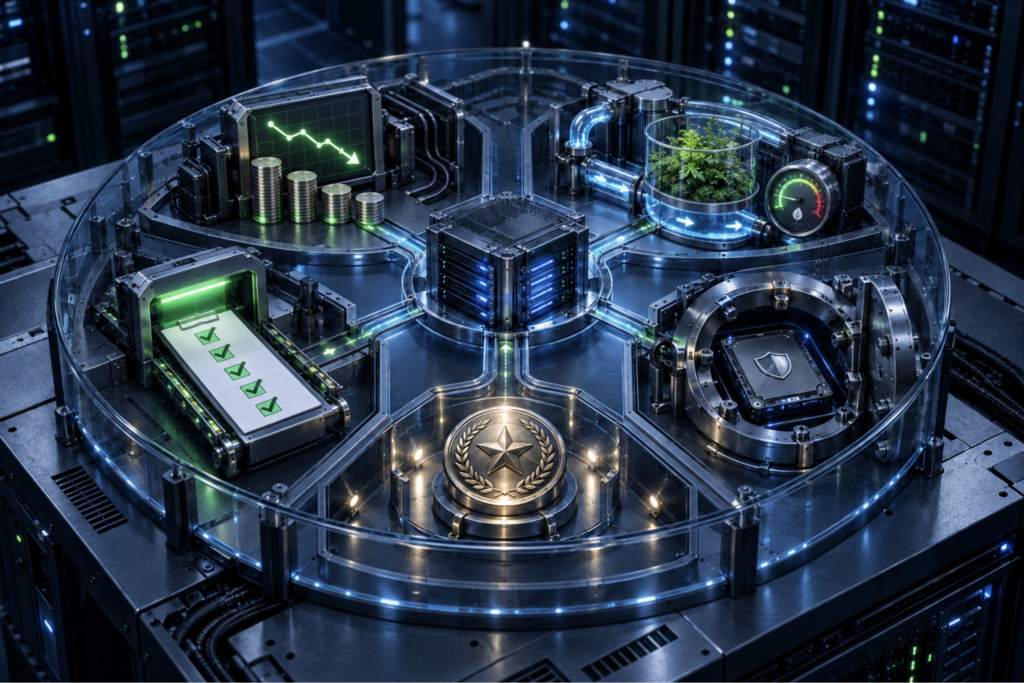
Sustainable IT comes down to five things: lower costs, fewer emissions, easier compliance, stronger security, and a better reputation.
The gains do not all appear at once, and one change can often help in more than one area.
1. Lower operational costs through improving energy efficiency
The most immediate benefits of sustainable IT are the cost savings. Lower energy use and getting more years out of existing hardware can bring down day-to-day costs.
Data centers already take up a sizeable part of IT budgets, especially once electricity and cooling are factored in. That pressure is only increasing as data center electricity consumption continues to rise, making energy usage an increasingly important operating concern. The International Energy Agency expects global demand to roughly double by 2030.
There are a few simple ways of reducing energy consumption:
- Consolidate workloads: Run workloads on fewer servers instead of leaving machines underused.
- Virtualize servers: Several workloads can share the same physical server, helping achieve lower energy consumption and reducing the need for extra hardware.
- Use efficient cloud infrastructure: Move suitable workloads to cloud environments that can run them with less energy.
- Extend hardware lifecycles: Keeping suitable equipment in use longer can reduce replacement costs and avoid the environmental impact associated with manufacturing new devices.
- Refurbish instead of replace: Older devices that are still usable can often be repaired or refurbished rather than replaced with new ones.
Together, these measures can reduce operational costs while lowering the environmental impact of IT.
2. A smaller carbon footprint and lower environmental impact
Manufacturing accounts for around 70 to 80% of its lifetime greenhouse gas emissions, so replacing a working device can have more environmental impact than expected. This is important as resource scarcity makes the environmental cost of producing new technology harder to ignore.
Keeping that laptop for another year or two can avoid the emissions involved in making a replacement. Refurbished equipment is a much more suitable approach as it gives usable hardware another life instead of sending it straight to disposal as electronic waste. Extending the useful life of IT equipment also reduces landfill waste and the demand for new hardware.
3. Stronger ESG and regulatory compliance positioning
Applying sustainable practices also makes compliance easier than before. Regulations like the EU’s Corporate Sustainability Reporting Directive are bringing more companies into formal environmental reporting. Supply chain due diligence is also extending beyond a company’s own operations and into its relationship with vendors and IT partners.
Environmental sustainability is becoming part of how enterprise buyers assess potential suppliers, alongside factors such as price, quality, and reliability. For many enterprises, this is becoming part of broader corporate responsibility instead of just a separate IT initiative. This also makes it easier to connect IT decisions with wider corporate sustainability initiatives.
4. Reduced data risk and better waste management at the end of life
Sustainable IT also means handling old hardware that contains crucial data and becomes as much a security issue as a disposal issue. That includes protecting the data stored on laptops, servers, and drives before they are reused, refurbished, or recycled. Secure data destruction reduces the risk of sensitive information falling into the wrong hands while allowing more hardware to move through the recycling or reuse process safely.
Certifications such as R2v3 and e-Stewards establish requirements around responsible recycling practices, including controls around data security, downstream management, and documentation.
Cutting corners here, like choosing an uncertified vendor because it costs less, can turn an otherwise responsible IT recycling program into a serious data-security problem.
5. A competitive and reputational edge
An institution’s reputation has become as important as product quality. Environmentally conscious customers, investors and business partners are now more concerned about how companies are handling sustainability and IT assets.
Sustainable IT practices deliver credible results that also provide competitive advantages like lower costs, less waste and carbon, better compliance, and stronger data security. A reputation built around those results is far more convincing than sustainability claims made on their own.
How to build a sustainable IT program
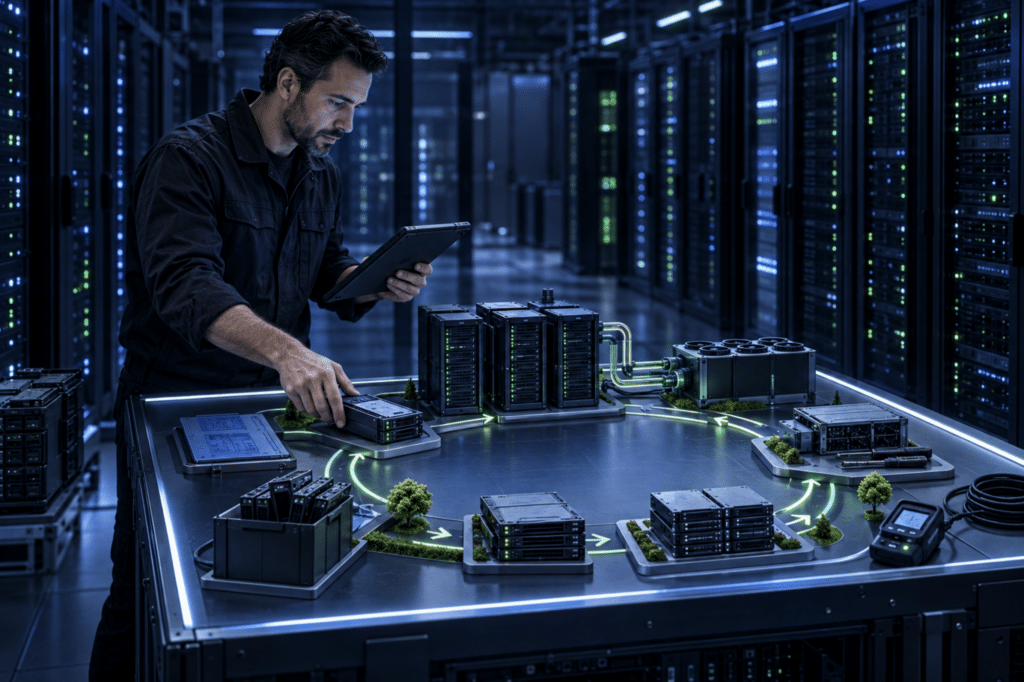
Knowing the numerous benefits of a sustainable IT program is just the start; implementing green IT and sustaining it is the major part.
Adopting sustainable practices requires a detailed internal evaluation and improvement effort that spans everything from procurement to the day-to-day work of IT pros. Enterprises should integrate sustainability into decisions about hardware, infrastructure, suppliers and IT operations.
Here are the core sustainable IT strategies and how to implement them:
Set practical procurement standards
Whenever buying new hardware, look beyond the price and specifications and consider sustainable sourcing, energy-efficient equipment, build quality, repairability, upgrade options, and recycled materials. This all should be part of the decision, as buying equipment that can stay useful for years can also mean fewer replacements.
Maximize asset lifespans through maintenance and reuse
If a device has reached a certain age, it doesn’t mean it must be replaced. You need to check whether it still performs well, remains secure, can be repaired at a reasonable cost and can still be used for its purpose.
A laptop might only need a new battery, extra RAM, or more storage to keep it running well for a few more years. The same applies to monitors, servers, and other equipment that may still have plenty of useful life left.
The device could also be moved to another team, used for a less demanding task, or refurbished for continued use. When equipment has reached the end of its life, send it to a proper e-waste recycling facility instead of putting it in the trash and adding to electronic waste.
Energy-efficient infrastructure and data centers
Data centers use a lot of electricity, so improving how they operate can make a noticeable difference. Hot-and-cold aisle layouts help keep hot and cold air separate, so cooling systems don’t have to work harder than necessary. Virtualization achieves the same goal by running multiple workloads on fewer physical servers instead of leaving hardware underused.
Another option is to move data center operations to facilities that use renewable energy sources. This can reduce the carbon emissions linked to the electricity needed to run servers and cooling systems.
Choose green partners
A company’s environmental impact does not stop at its own office or data center. MSPs, hardware vendors, cloud providers, and other sustainable technology partners all contribute to the footprint of the IT environment they help build and manage.
Before choosing a partner, look at how they handle energy use, hardware, data centers, waste, and other environmental concerns.
Disposing of hardware responsibly
Electronic parts do not break down naturally, and some contain harmful materials that can end up in the soil and nearby areas when old equipment is dumped. Over time, this can pollute the environment and expose people to substances that may cause serious health problems.
Once a device has genuinely reached the end of its useful life, data must be erased before anything else. Secure data destruction is an important part of both IT security and waste management.
Equipment that still has value can go through reusable channels, while equipment that cannot be reused should receive proper disposal. This recyclable equipment should be handled by appropriate recycling providers.
Metrics, tracking, and continuous improvement
This is one of the most important parts towards the progress of IT sustainability in an organization. Metrics like Power Usage Effectiveness (PUE), energy consumption, and the amount of hardware reused or recycled can give a useful picture of the IT setup’s impact. Carbon tracking software can then make it easier to see where that significant impact is coming from, including software, cloud services, and workloads running across different systems.
Also, keep a record of how long devices stay in use, which ones are repaired or reused, and how much eventually ends up as e-waste. This gives businesses a clearer picture of whether their efforts are actually making a difference towards building a more sustainable future. Embracing sustainability as part of everyday IT management can make these improvements easier to maintain over the long term.
Mistakes that undermine a sustainable IT program
Some common mistakes that can compromise a well-made program are:
- Treating sustainability as a one-time project instead of something that needs regular attention.
- Failing to keep proper records, making it difficult to prove what happened to old equipment or how data was destroyed.
- Chasing certifications or running pilot projects without a clear idea of what they are meant to achieve.
- Picking the cheapest ITAD vendor without checking whether they have the right certifications or follow proper chain-of-custody procedures.
Specialized expertise that extends these benefits
Disposing of old IT equipment sounds simple, but there is usually a lot more involved than just disposing of a device. Equipment needs to be collected, assessed, repaired, or refurbished where possible, and either resold, reused, or recycled. Parts that still have value can also be recovered.
At the same time, any data on the equipment needs to be handled securely. A partner like Reconext can manage these steps from start to finish rather than leaving internal teams to coordinate each one separately.
That does not mean the partner makes decisions for the business. Internal teams still decide how often hardware should be replaced, what standards new equipment must meet, and the sustainability targets to work toward. The lifecycle partner simply takes care of the operational work needed to put those decisions into practice.
Get in touch to talk through where your organization stands.
FAQs
How can sustainable IT improve business efficiency?
Sustainable IT improves efficiency by reducing resource waste, optimizing physical infrastructure, and making better use of the existing technology.
Does sustainable IT require replacing old technology?
No, sustainable IT often prioritizes maintaining, upgrading, repairing, and reusing existing equipment before replacing it.
How does sustainable IT affect IT procurement decisions?
It encourages enterprises to consider energy efficiency, durability, repairability, upgradability and recycled materials alongside price.
How can enterprises measure the success of sustainable IT?
Enterprises can track the energy use, emissions, hardware lifespans, reuse rates, recycling volumes, and other sustainability KPIs.