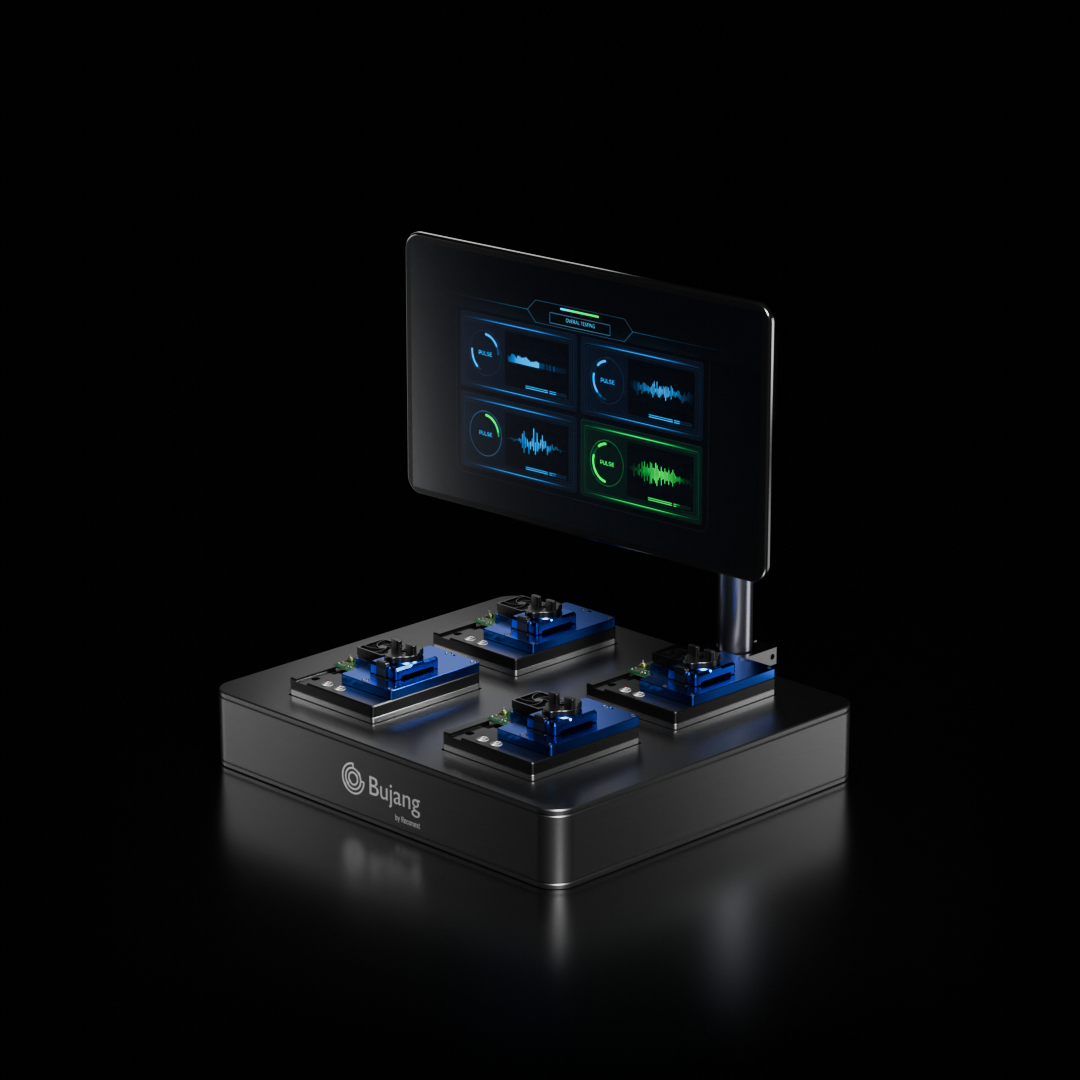
Phoenix High-Speed Memory Module Testing at Signal Level

Because ‘pass/fail’ isn’t enough for your memory modules.
Most DDR testers run host-based checks: plug in the module, check for boot, call it good. But that surface-level testing lets intermittent failures pass undetected, and those modules end up back in service.
Phoenix was built to catch what host testers miss. Using FPGA-driven electrical diagnostics and real-time signal analysis, Phoenix uncovers hidden faults inside DDR3, DDR4 and DDR5 memory modules before they return to service.
The problem with host-based testing
Most DDR testers simulate a host environment to check memory functionality. But system-level emulation hides critical issues:
- Intermittent failures pass unchallenged
- Modules with marginal signal quality pass functional tests but fail under real load
- Power and bus-level issues remain invisible
Phoenix's FPGA solution
Phoenix leverages FPGA architecture to bypass these limitations entirely. While traditional testers rely on motherboard chipsets that mask electrical faults, Phoenix communicates directly with memory modules at the signal level.
This direct hardware approach exposes intermittent failures, power anomalies, and bus-level errors that pass through conventional validation. The result: memory modules validated by Phoenix perform reliably in high-stress environments where host-tested modules fail.
Memory module recovery standards
JEDEC-compliant testing protocols
Industry-standard electrical specifications for DDR3, DDR4 and DDR5 validation with full timing parameter verification.
Signal integrity validation
Eye diagram analysis and jitter measurement ensuring modules meet data center performance requirements.
DDR3, DDR4 and DDR5 in one platform
Global memory testing deployments
- Reconext Facilities – Penang, Malaysia • Bydgoszcz, Poland • Hayward, California
- Partner Sites – Select certified facilities worldwide
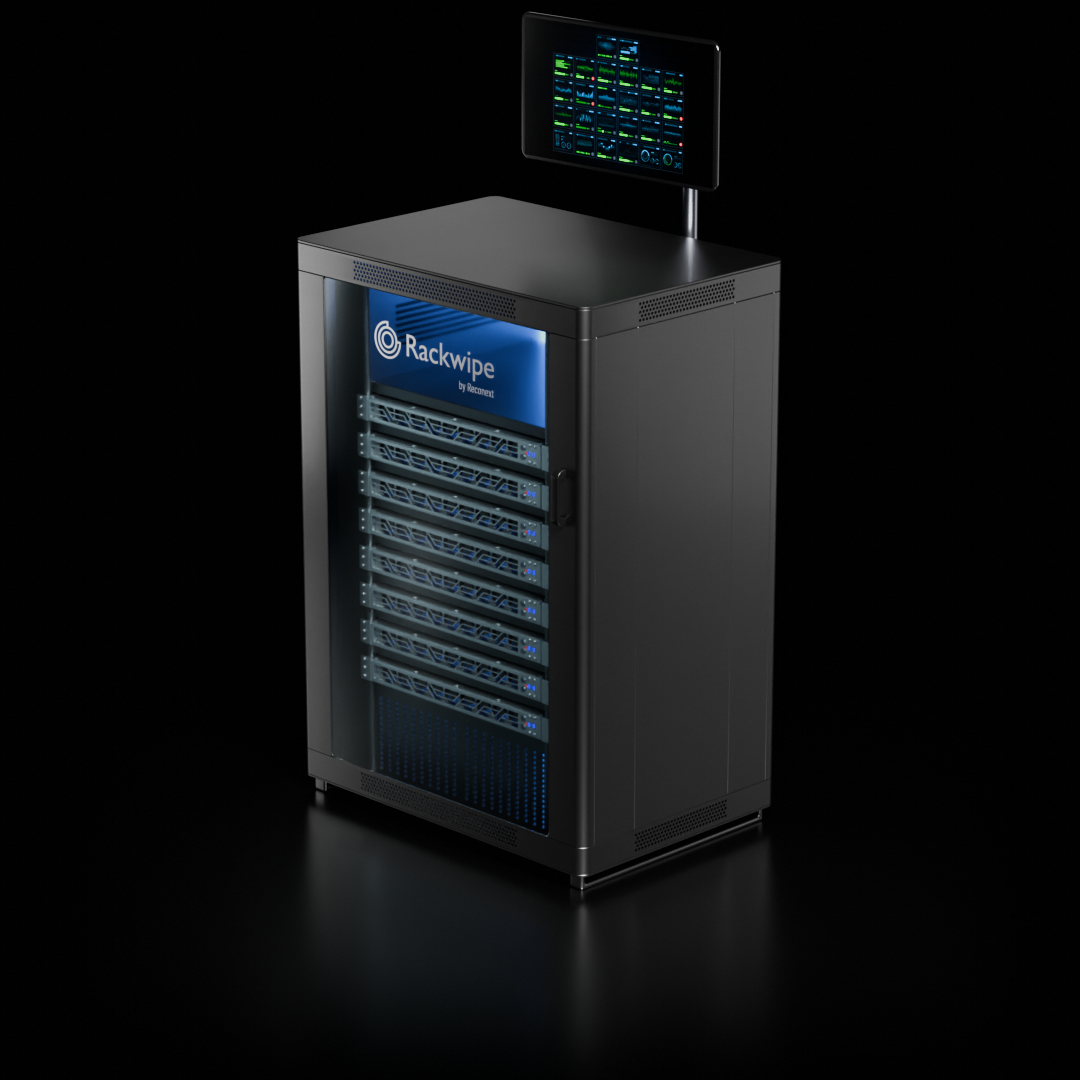
- Mobile Deployment – Rack-mounted systems for on-site testing
Enterprise and hyperscale customers
- Hyperscalers
- Enterprise ITAD Operations
- OEM Memory Validation
- Data Center Recovery Teams