The shift toward circular electronics is happening, but it is not happening evenly. Some companies are far along. Others are still figuring out where to start. The real progress tends to happen when both groups sit in the same room and compare what they are seeing in the field with what they are seeing in the lab.
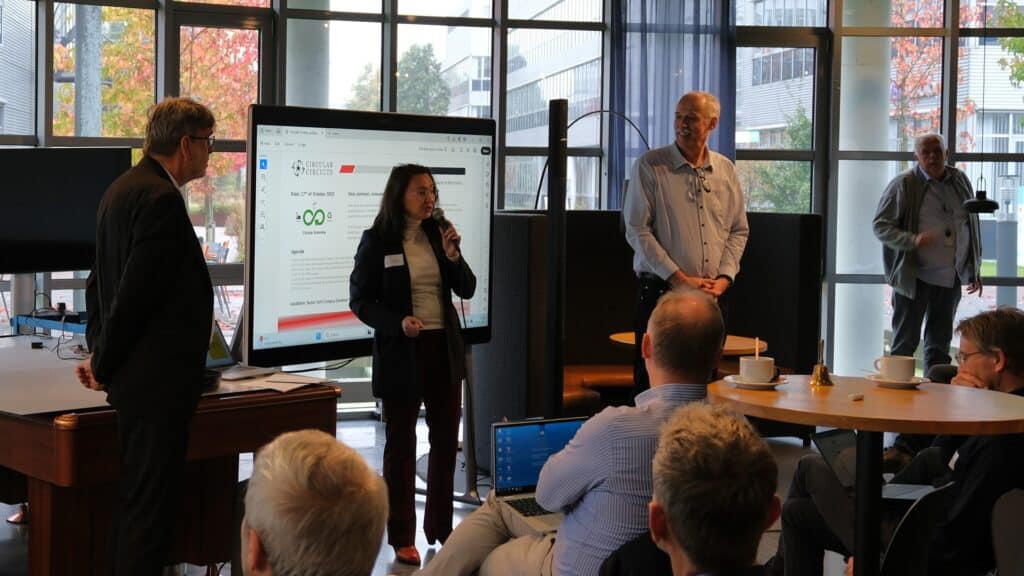
This was the spirit of the Circular Circuits outreach event hosted at the Dutch Tech Campus, where more than seventy researchers, designers, policymakers, and supply chain leaders gathered to explore practical steps toward more sustainable hardware. Reconext played a central role by sharing what we learn from processing millions of devices each year and by showing how field data can guide better decisions during early design.
The discussion moved well beyond theory. Participants looked at how specific failure patterns appear in real devices, what happens when certain materials age, and how minor design choices can affect recovery pathways years later. When you repair, recover, and redeploy hardware at scale, you start to notice the patterns that do not show up in standard lab tests. Those patterns can become useful feedback for design teams trying to balance durability, cost, and serviceability.
One of the key takeaways from the day was that circularity does not start at end of life. It starts before the first prototype. Field insights help designers understand what their products look like after real use, not ideal use. That perspective can inform material choices, fastening strategies, and component layouts that make products easier to repair, upgrade, or repurpose later in their lifecycle.
Reconext’s role in this space is simple. We sit at the point where products come back from the world. We see what breaks. We see what ages well. We see what could have been designed in a slightly more thoughtful way, not only for repair teams but for the customers who depend on these devices. Sharing that intelligence with designers and researchers creates a useful loop. It keeps valuable materials in circulation longer, cuts waste, and reduces the need for replacements that could have been avoided.
The outreach event showed how powerful collaboration can be when different parts of the ecosystem work together. If design teams, recovery teams, and policymakers keep trading knowledge like this, the circular economy becomes less of an ambition and more of a working reality.