OptiM ObjectiveCosmetic Grading for Smartphones and Tablets
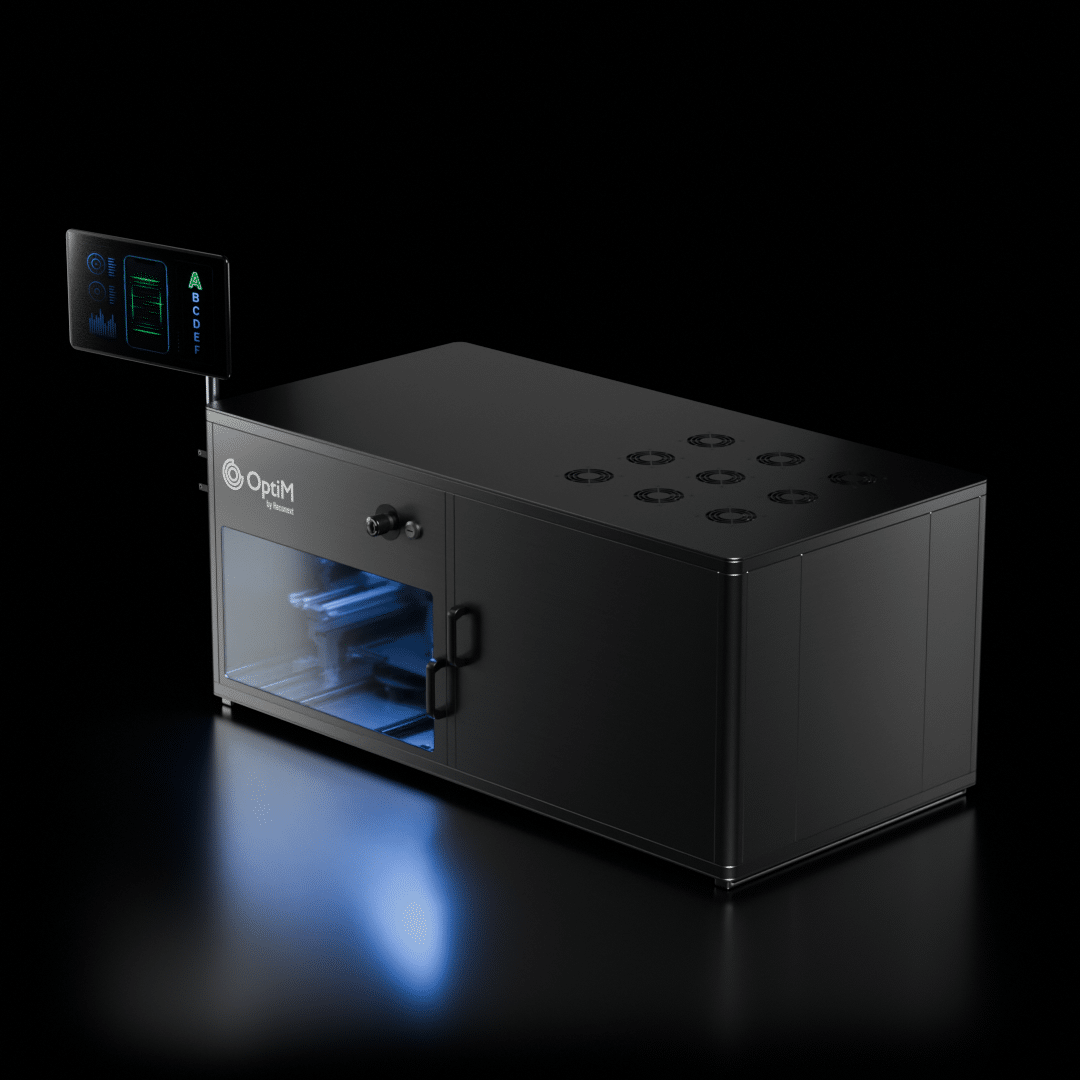

Consistent cosmetic grading for every mobile device
Manual grading of smartphones and tablets depends on the operator and the inspection conditions at each station. On glass, polished metal and glossy finishes, the visibility of a defect changes with lighting and viewing angle, so the same device can receive different grades at different benches.
OptiM inspects every surface of the device in about 40 seconds, under the same lighting each time, and grades it to your specification.
Reflective surfaces, inconsistent results
Manual cosmetic grading of phones depends on the inspector, the light and the angle. A defect on a glass back can be hard to see under one light and obvious under another.
Here’s what manual mobile grading typically looks like:
- Grades that vary between operators on the same device
- Reflective surfaces that hide or exaggerate defects depending on lighting
- Separate manual steps for front, back, sides and display
OptiM resolves this. Controlled lighting and AI defect detection evaluate every surface, compare it to your specification, and make the same call every time.
Built for glass, metal and every angle
360-degree inspection in one automated pass
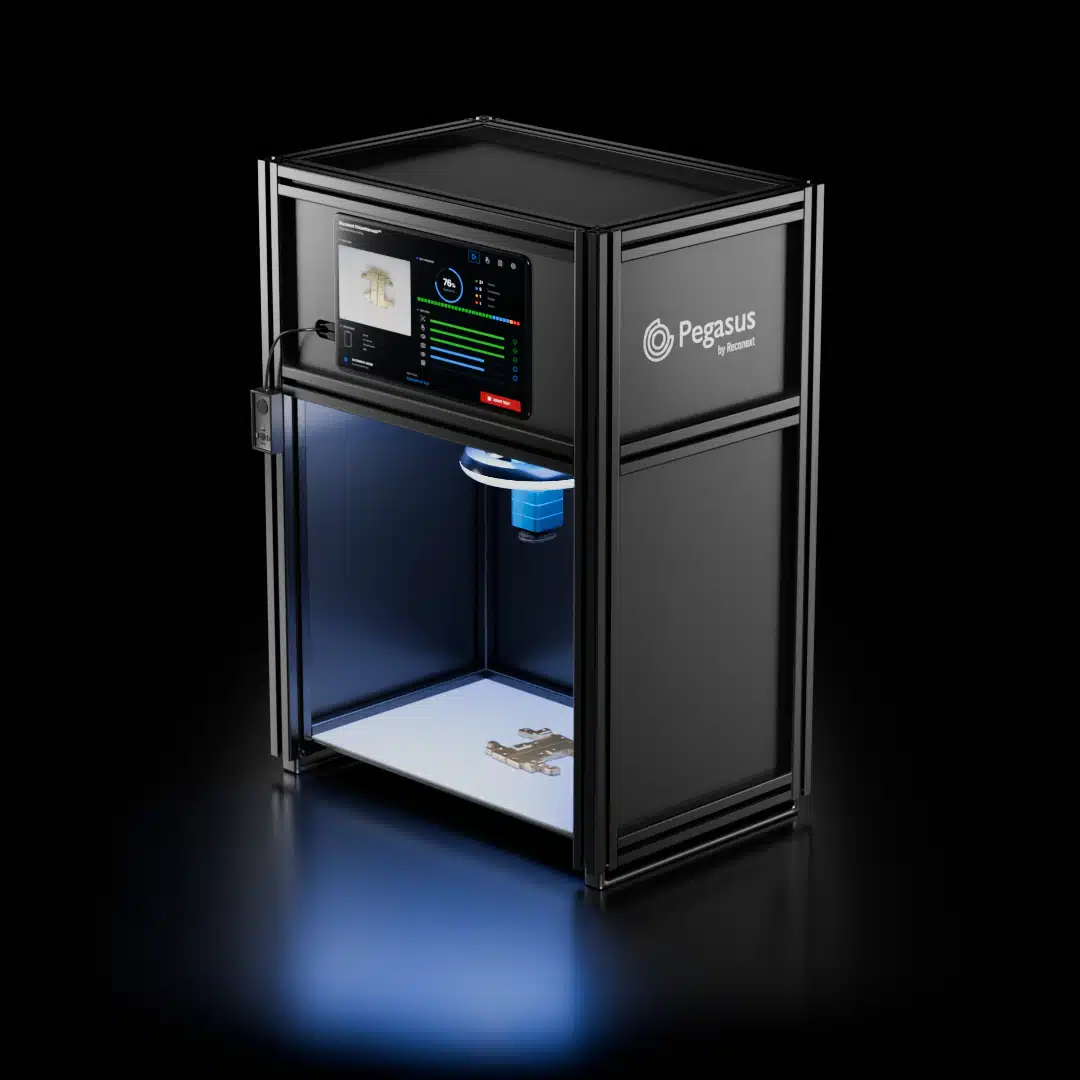
Fixturing built for smaller, more delicate devices presents the front, rear and every side to the cameras.
Lighting engineered for reflective surfaces
Proprietary cameras and controlled lighting are designed for glass, polished metal and glossy finishes.
Pre-trained AI, ready on day one
Built on the Universal AI Grader platform shared across Optiline, with a smartphone and tablet dataset extended by synthetic defect data from NVIDIA Omniverse. Most deployments need only limited new samples.
Grading logic you configure, not retrain
The built-in grading logic builder turns your standard into parameters, with no changes to the core AI model.
Data Security and Traceability
- Evidence-based grading: every grade records the defects and severity behind it, with parametric and visual evidence.
- Complete image record: 360-degree images of every surface are stored and retrievable per device.
- Full grading reports: grade results, parametric logs and images are captured for every device.
- Flexible integration: data is delivered in full or filtered form to any customer endpoint, typically in JSON, with no limitation on format or payload.

Grading Consistency

Full-Device Inspection

~40 s
Inspection Cycle Time

~72
Units per Hour

~8 wks
Order to Delivery
From loading to grade in about 40 seconds
Load
01
Inspect
02
Grade
03
Route
04