


ICT Tester In-Circuit Board Testing for SSDs and Memory Devices
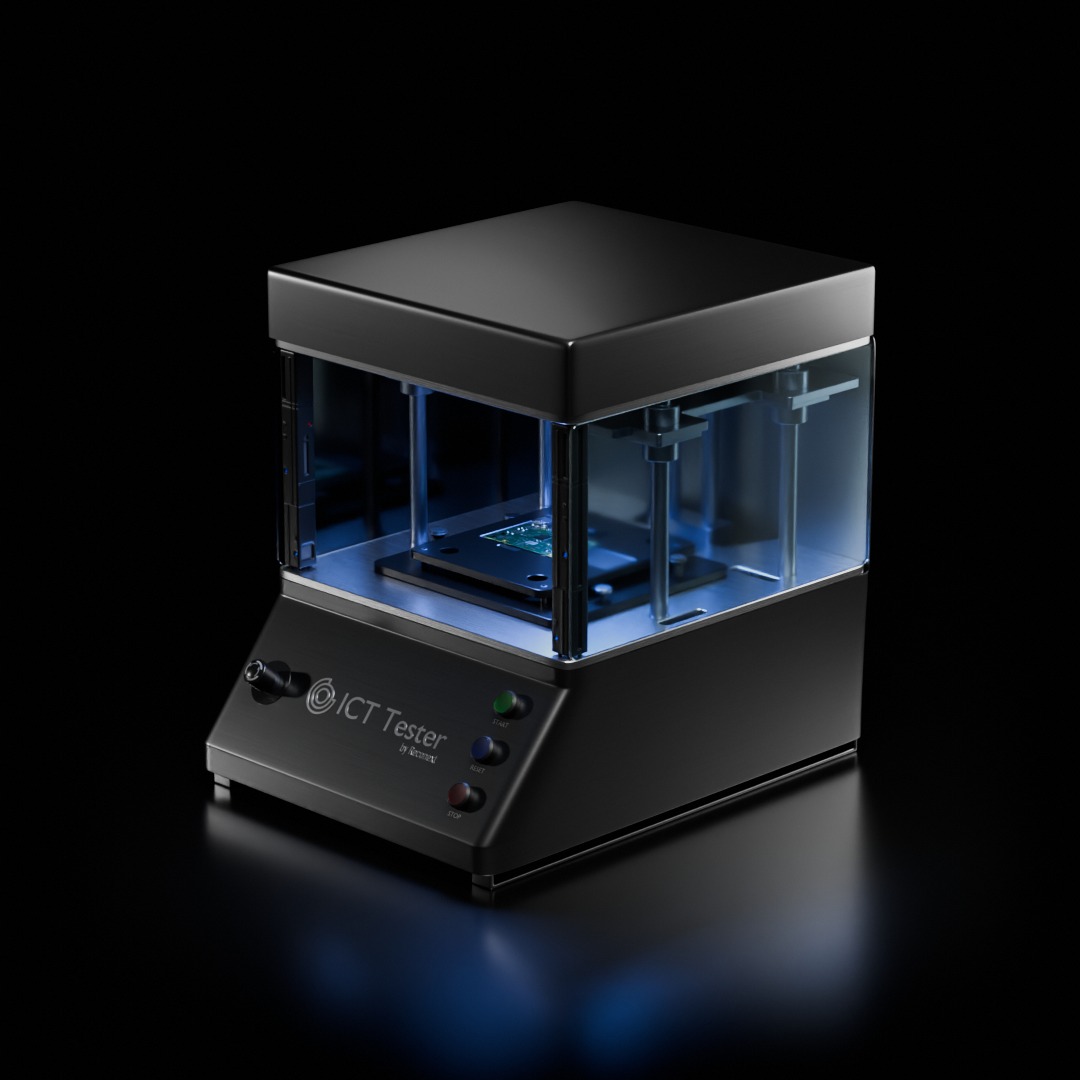
What the ICT tester recovers that others can’t
Standard testers assess function. ICT checks the wiring underneath. This matters because many boards fail for trivial reasons: a single trace, a lifted cap, a bad solder joint. ICT flags those fast, so the rest of the recovery flow isn’t wasted on doomed hardware.
Used early in the triage process, it can:
- Prevent unnecessary NAND or DRAM rework
- Increase yield by removing false failures
- Identify reworkable issues before costly testing stages
Why in-circuit testing was missing in recovery
Most recovery programs treat failed devices as all-or-nothing. If an SSD or DIMM doesn’t pass functional testing, it’s often scrapped with no questions asked. That’s a waste.
What’s usually missing is board-level visibility. Without a way to test at the trace and pin level, teams can’t separate minor faults from systemic failure.
ICT solves that. It spots shorts, opens, and connection issues on SSD controller boards, USB PCBs, and memory modules – before functional testing even starts.
ICT as a workflow optimizer
Used at the front of the triage line, ICT helps recovery operations:
- Identify repairable devices sooner
- Reduce misrouted or misdiagnosed boards
- Generate analytics on defect trends by board type or supplier
This makes ICT valuable not only for recovery, but also for QA, sourcing, and engineering feedback loops.
Designed for pre-screening and quality assurance
- Non-Destructive Testing Uses passive probe access without booting or powering the device.
- Trace + Component ChecksIdentifies via failures, shorts, opens, and missing discrete components.
- CSV Log Export Results are output in batch logs compatible with QA systems.
- Works With Bare Boards No need for active firmware or full system function.
Boards Screened
%
Board-Level Test Accuracy
Destructive Impact
Up to 40%
Recovery Lift
< 2 Min
Avg. Test Cycle Time
How the ICT tester validates device boards
Mount
01
Board is inserted into a test fixture with spring-loaded probes or bed-of-nails interface.
Scan
02
Electrical pathways are scanned for signal continuity, voltage thresholds, and component presence.
Isolate Faults
03
Any broken traces, solder issues, or missing components are identified and logged.
Log + Sort
04
Each board’s results are recorded and categorized for reuse, rework, or recycling.
Common Deployment Questions
Why bother testing SSD boards if they’re already failed?
Because many SSDs fail for minor or unrelated reasons. ICT testing reveals if the board itself is still viable, helping recovery teams avoid tossing reusable components due to unrelated failures like firmware corruption or NAND issues.
How do recovery teams decide if a board is worth reworking?
ICT test logs show which faults are trivial (like a lifted cap or open trace) versus systemic. This lets teams route boards to repair, rework, or scrap based on actual failure type, not guesswork or blanket assumptions.
Is it worth testing boards before functional testing?
Yes, ICT identifies issues that functional testing can’t, like broken traces or cold solder joints. It helps avoid wasting time and effort on downstream workflows when a board is electrically compromised from the start.
Can ICT testing improve recovery program economics?
Absolutely. It improves yield by filtering out truly dead boards early, reducing retest cycles, and keeping false failures from wasting labor and parts. For high-volume recovery programs, that’s a major cost lever.
How does ICT complement other testers like TITAN or RCUT?
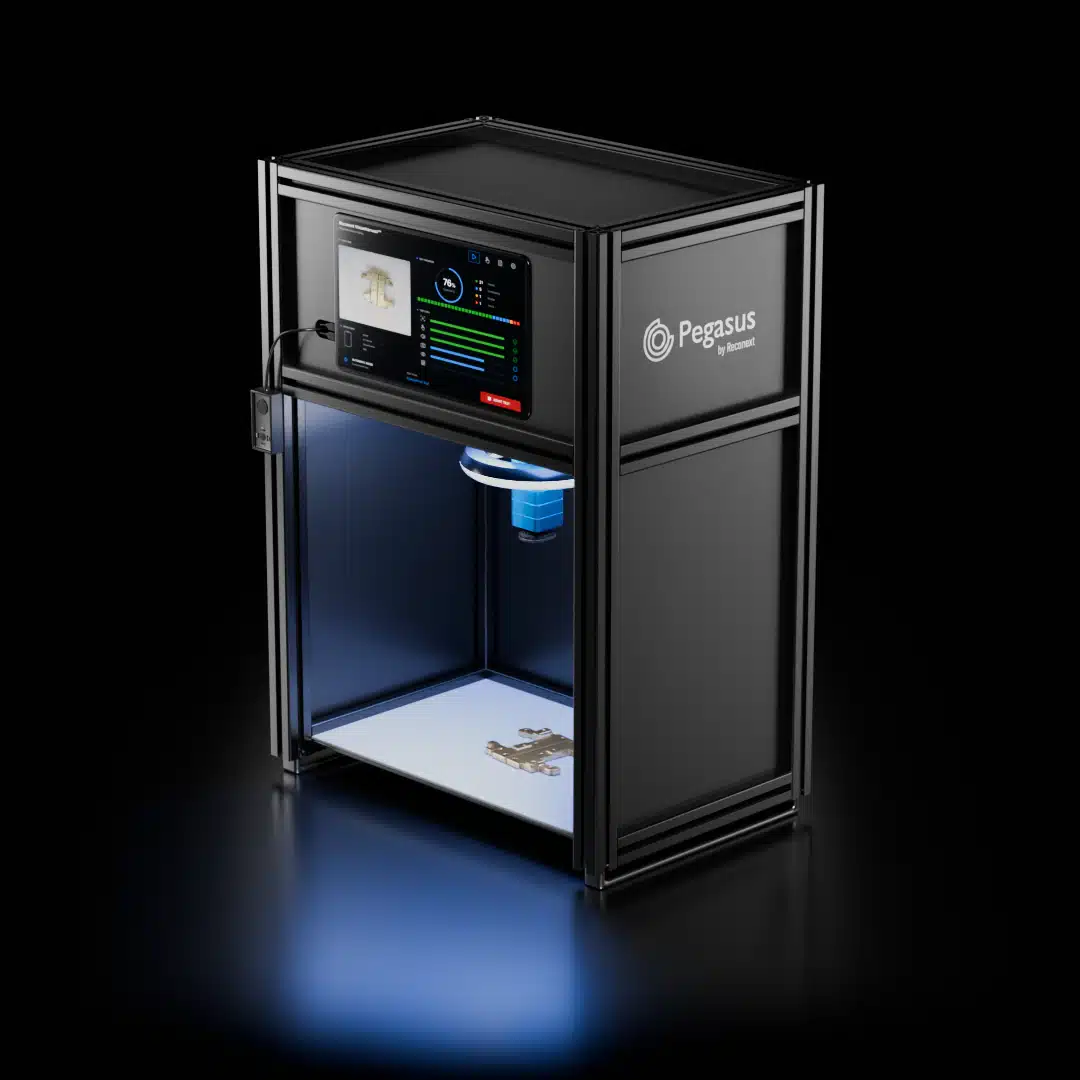
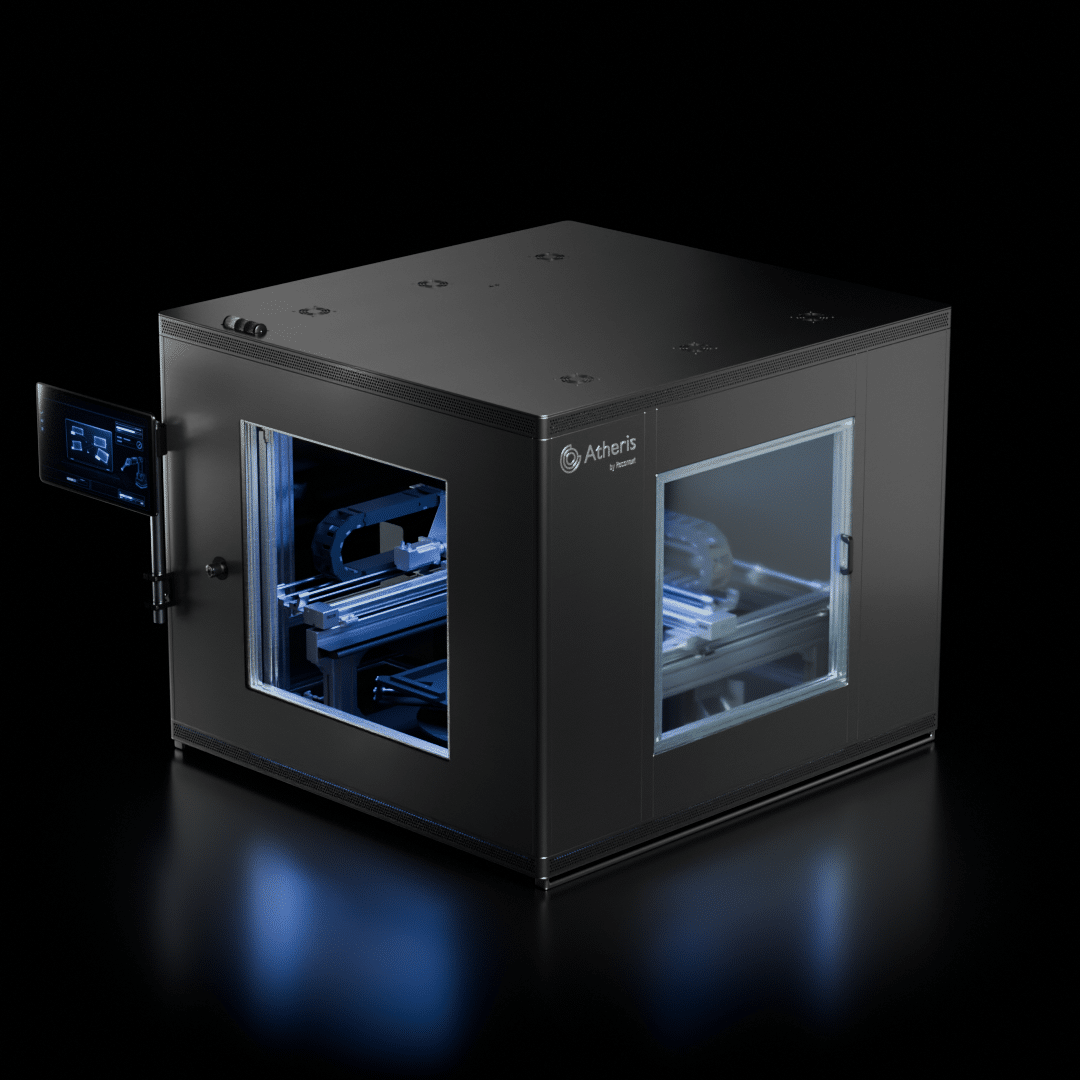
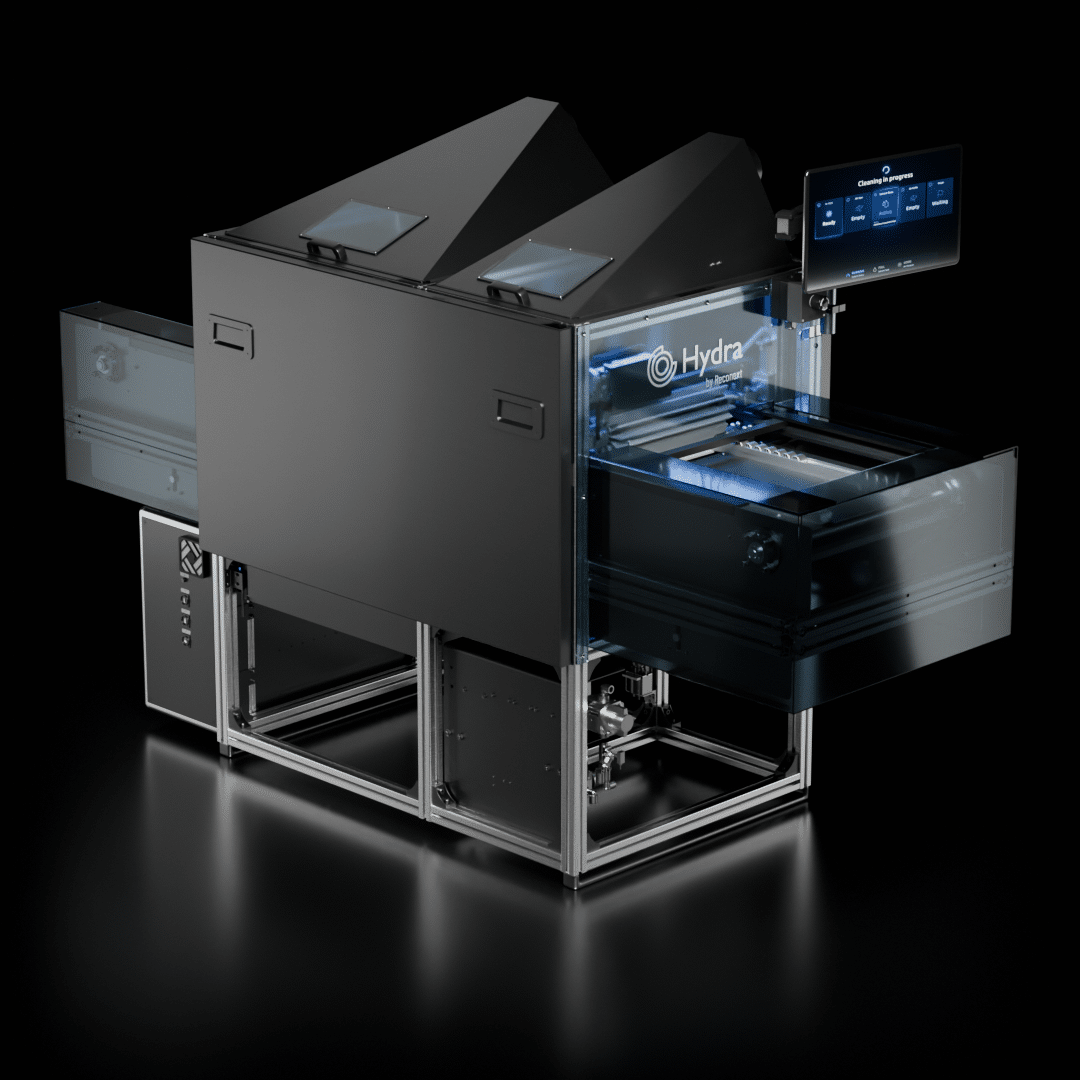
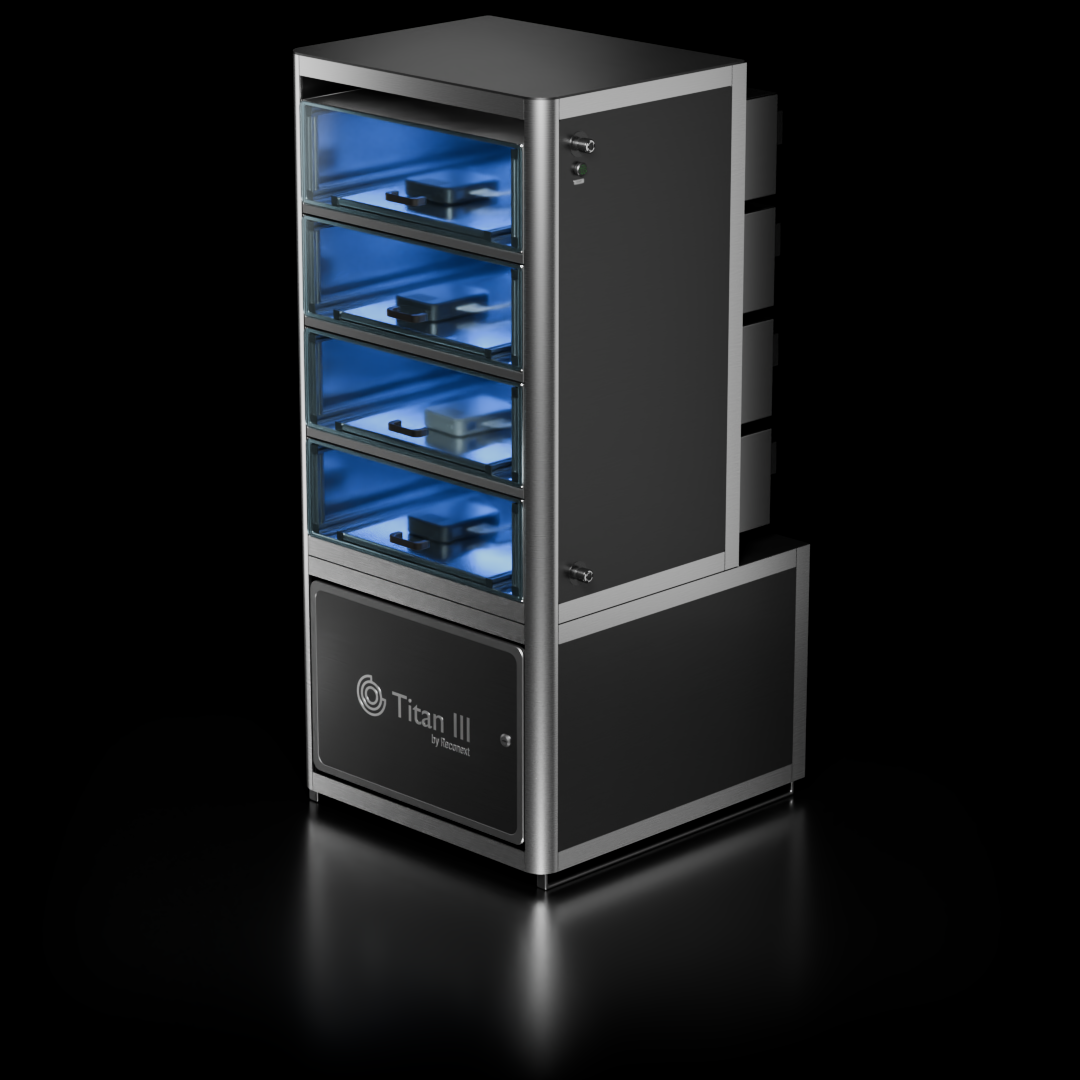
ICT checks passive circuitry and layout integrity before devices are powered. TITAN handles full functional validation. RCUT handles flash erasure and logic diagnostics. Together, they provide a complete QA stack from raw board to ready product.
Built to Work With






Want to catch bad boards before they waste resources?
ICT gives your recovery flow a first line of defense. Stop testing doomed devices. Start sorting smarter.