Retiring a server, storage array, or rack of networking gear isn’t a single event. It’s a series of decisions about data security, equipment condition, and where value can still be recovered before recycling or destruction, while minimizing environmental impact.
Retired data center hardware can also retain more value than enterprises expect. A single decommissioned storage array can hold sensitive data from thousands of users, and a rack of retired servers may still have resale potential when handled correctly.
This guide explains what data center ITAD involves, which assets it covers, how equipment moves through the disposition process, and what organizations should consider before a project begins.
Key Takeaways
- Data center ITAD covers servers, storage arrays, and networking gear, not just laptops, with far higher data density and asset value per device.
- AI and GPU infrastructure can accelerate refresh cycles, increasing the volume and frequency of decommissioning projects.
Why Data Centers Need a Structured ITAD Service
Data centers need a structured ITAD service because these assets concentrate data risk and financial exposure in fewer devices. Enterprise-grade drives, GPUs, and switches may also retain resale potential after leaving production.
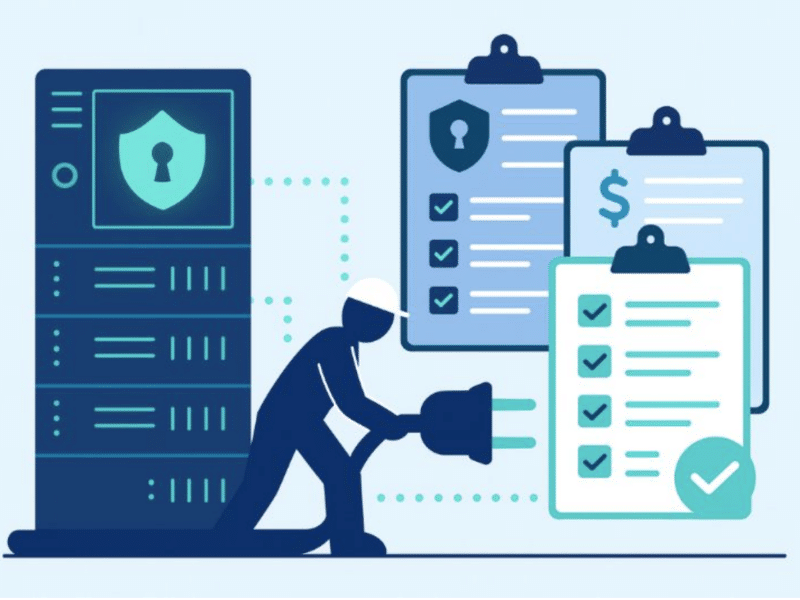
A structured ITAD service has become essential because of:
- Data security and asset disposition
- Regulatory compliance
- Sustainability and ESG
- Value recovery
The combination of risk and value is becoming harder to manage informally, particularly as the pace of hardware retirement itself picks up.
Why Data Center Hardware Retirement Is Accelerating
AI and GPU infrastructure can accelerate hardware refresh cycles compared with traditional enterprise IT.
GPU-intensive infrastructure may be refreshed faster than conventional enterprise servers as newer generations improve performance, density, and power efficiency. The timing varies by workload, economics, and operational requirements.
Rather than following a uniform refresh schedule, organizations running AI workloads may face a more continuous cycle of decommissioning servers, sometimes faster than their existing ITAD process was built to handle.
Hardware and Infrastructure Assets Covered Under Data Center ITAD
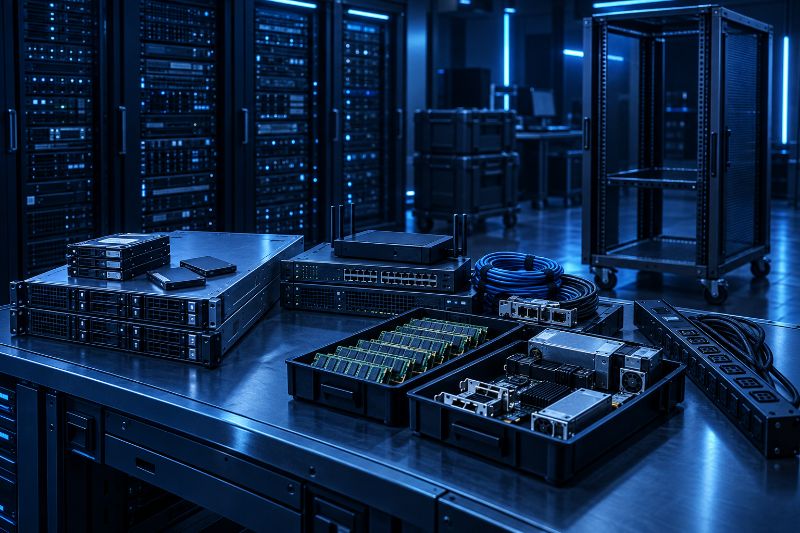
Data center ITAD covers four broad categories of equipment, which have unique handling and recovery considerations.
Servers and Storage Equipment
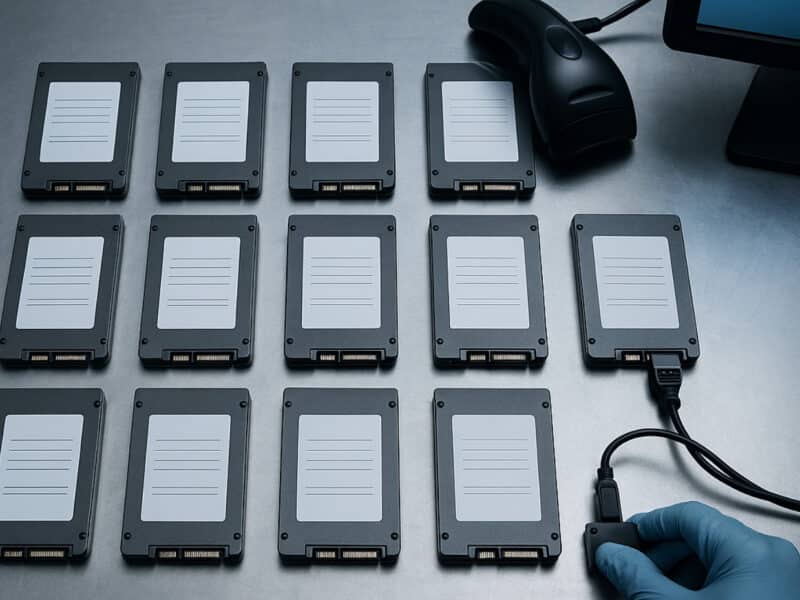
Servers, storage arrays, and the hard drives or SSDs they contain belong to the highest-risk category because they store data. These assets can be resold, redeployed, or destroyed. They must be sanitized properly to meet data protection requirements before resale, redeployment or physical destruction.
Networking Equipment
Switches, routers, and similar network hardware generally do not store customer data in the way servers do, but this equipment can still contain configuration files and credentials. Networking devices also have good resale value, especially newer models that get retired during a capacity upgrade.
Components and Spare Parts
Some individual components pulled from retired IT assets, memory, power supplies, network cards, and similar small parts can often be resold or reused. By assessing components separately, it is possible to recover more value than by scrapping the entire system.
Other Data Center Hardware
Equipment that usually carries lower data risk comes under this category, such as racks, power distribution units, and similar infrastructure. These assets are valuable for resale, reuse, or recycling and don’t require the same sanitization steps as the equipment that stores the data.
What Happens to Data Center Equipment Through ITAD
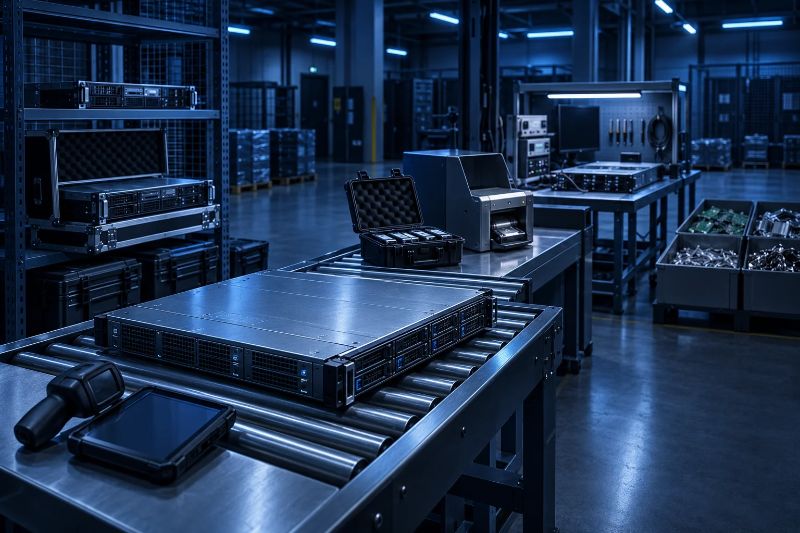
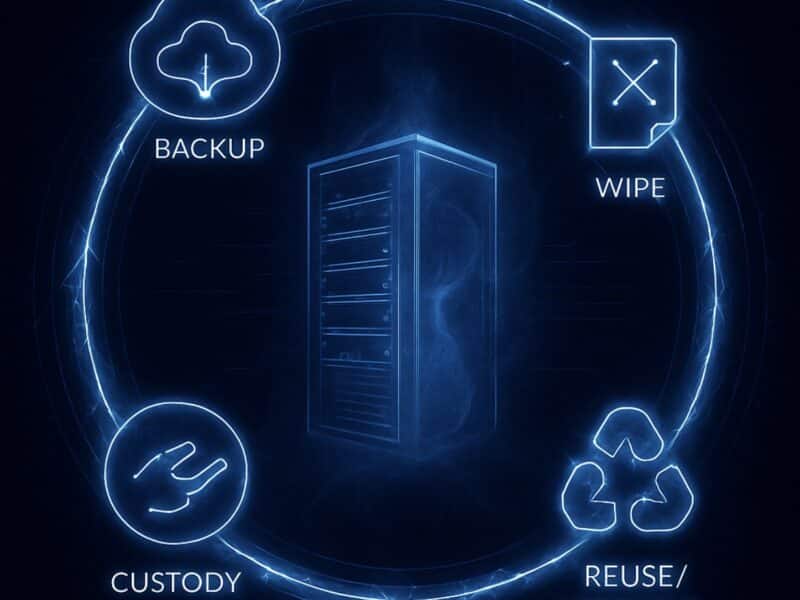
The equipment identified for retirement moves through six stages. The exact sequence depends on the project and each individual asset, but the general flow remains the same.
1. Asset Identification and Inventory
Every asset should be recorded before it is removed, including the serial number, model details, and where it was deployed. This record is the baseline against which testing results, sanitization records, and final disposition are tracked.
2. Secure Data Handling
Data-bearing devices need to be identified and sanitized using an appropriate method for the media type and sensitivity of the information. NIST SP 800-88 Revision 2 provides the current framework for media sanitization and references standards such as IEEE 2883 for applicable sanitization techniques.
3. Testing and Grading
Equipment with potential reuse value goes through functional testing and condition grading before making decisions about resale or recycling. Age alone doesn’t determine the outcome, as even a three-year-old drive that passes every test can be worth more than scrapping it, while newer usable equipment that fails testing may not be.
4. Asset Recovery and Reuse
Equipment that passes testing can be redeployed to another place in the organization, reused, or repaired to extend its working life. This step constitutes a major portion of the value of an ITAD program, since reuse avoids a new purchase while also reducing the carbon footprint by avoiding manufacturing emissions.
5. Remarketing and Resale
IT assets that are no longer needed internally but still have market value move into equipment remarketing, where they are sold through secondary channels. This step varies based on equipment type and condition. Enterprise-grade servers, GPUs, and drives often have stronger secondary-market demand than typical end-user devices.
6. Recycling and End-of-Life Processing
Assets that cannot reasonably be reused, resold, or repaired are sent for responsible recycling through qualified processing channels. R2v3-certified facilities operate under audited requirements covering areas such as data security, reuse, and downstream recycling controls. This step also requires documentation confirming final disposition and proper processing.
ITAD Fits Into Data Center Decommissioning
ITAD is not the entire project; it is one stage within a larger data center decommissioning project or server decommissioning service. The flow of the decommissioning project includes retirement planning, asset identification, equipment removal, ITAD processing, data handling, and finally recovery, reuse, or recycling, with reporting at each stage.
Decommissioning also covers facility closure, infrastructure removal, power and cooling systems, cabling, and logistics management, including secure logistics for retired equipment. ITAD is the part that is concerned with what happens to the retired equipment, not the facility around it.
What Organizations Should Check Before Starting Data Center ITAD

Planning is crucial before starting a data center ITAD project. Addressing these areas upfront helps organizations reduce data risks, recover value from retired equipment, and maintain clear records throughout the disposition process.
- Asset Inventory: Start with a clear list of what is actually leaving the data center. The list can include servers, storage units, networking gear, drives, and loose components. Then compare the list with equipment on site.
- Data Risk: Within the ecosystem, not every device contains the same risk, so it is important to check which equipment contains regulated or sensitive information. Then decide how each one needs to be wiped or destroyed. The important part is being able to show that the sensitive data was properly removed, not just assuming it was.
- Asset Condition: A working server or networking device may still have plenty of useful life and could be reused or refurbished. Hardware that is badly damaged, outdated, or no longer in use should be sent for recycling.
- Recovery Value: Retired assets are not always worthless. Old servers, processors, memory, storage, and networking equipment can still have resale value or may be useful as spare parts. A realistic valuation gives the business a better idea of what it can recover from usable equipment instead of treating everything as e-waste.
- Documentation: Asset records, chain-of-custody documentation, data destruction certificates, and recycling records can all be important later. They show where equipment went and how it was handled, which can be useful during audits, compliance checks, or environmental reporting.
Common Data Center ITAD Mistakes to Avoid
A few recurring mistakes can have a major impact on an otherwise well-planned ITAD project:
- Recycling too soon: Some old equipment can still be reused, sold, or stripped for parts. Sending them directly to recycling can mean losing that value.
- Losing track of equipment: Keep the asset list updated while equipment is being removed. Otherwise, it becomes difficult to tell what left the data center and where it ended up.
- Leaving data sanitization until too late: Define when and where sanitization will occur before equipment begins moving. If data-bearing assets leave the site before sanitization, they should remain under a documented and secure chain-of-custody process.
- Choosing a provider just because it’s cheaper: It’s always good to check and compare prices, but that alone should not be the deciding factor. A provider needs to follow industry standards and have proper security, tracking, certifications, and reporting in place.
- Not keeping records: Keep the paperwork for each asset from removal through final disposition. If there is no record, it can be very difficult to show what happened to the equipment afterward.
How Reconext Supports Data Center ITAD
Retiring data center equipment requires secure data erasure, equipment testing, and a clear disposition path for reuse, resale, refurbishment, parts recovery, or recycling.
Reconext’s data center ITAD services cover these stages with onsite sanitization, testing, grading, asset recovery, remarketing, and certified recycling. Its Rackwipe and Proteus systems support onsite data erasure for equipment in racks and loose drives, while its R2v3 certification covers its recycling and asset-handling practices.
The company has also handled large-scale decommissioning work, including 2,500 AI servers and a complex project of over 17,000 hard drives across four facilities.
FAQs
What Is the Difference Between IT Asset Disposition and Data Center Decommissioning?
ITAD manages retired technology, while decommissioning covers the broader removal of equipment and facility infrastructure.
Can Data Center ITAD Recover Value From Damaged Equipment?
Yes, damaged equipment may still have value through repair, component recovery, parts resale, or material recycling.
What Documentation Should an ITAD Provider Provide?
An ITAD provider should present asset-level records covering chain of custody, data sanitization, testing, and final disposition.
How Is ITAD Handled for Large-Scale Data Center Migrations?
Large migrations typically use phased asset tracking, on-site processing, scheduled removals, and centralized disposition reporting.
Can Retired Data Center Equipment Be Reused in Another Facility?
Yes, equipment that passes functional and security checks can be redeployed to another facility or workstation.