Data centers stay current by staying in motion. Hardware moves through a steady rhythm of deployment, refresh, and retirement. The process is familiar. The assumptions inside it are older than the infrastructure they manage. That is where the gap lives. Most operators already know their hardware has more life in it. They see the test results. They trust the engineering. The friction sits in parts of the organization that are slower to update than the equipment on the floor.
Teams rarely retire drives or servers because the hardware looks risky. They retire them because older internal rules make it the simplest option. Risk departments lean on destruction receipts because they trust what they know. Internal audit follows the frameworks they inherited. Legal stays with the safest language in the policy binder. None of this reflects how far the tooling has come or how confident operators now feel about verified reuse.
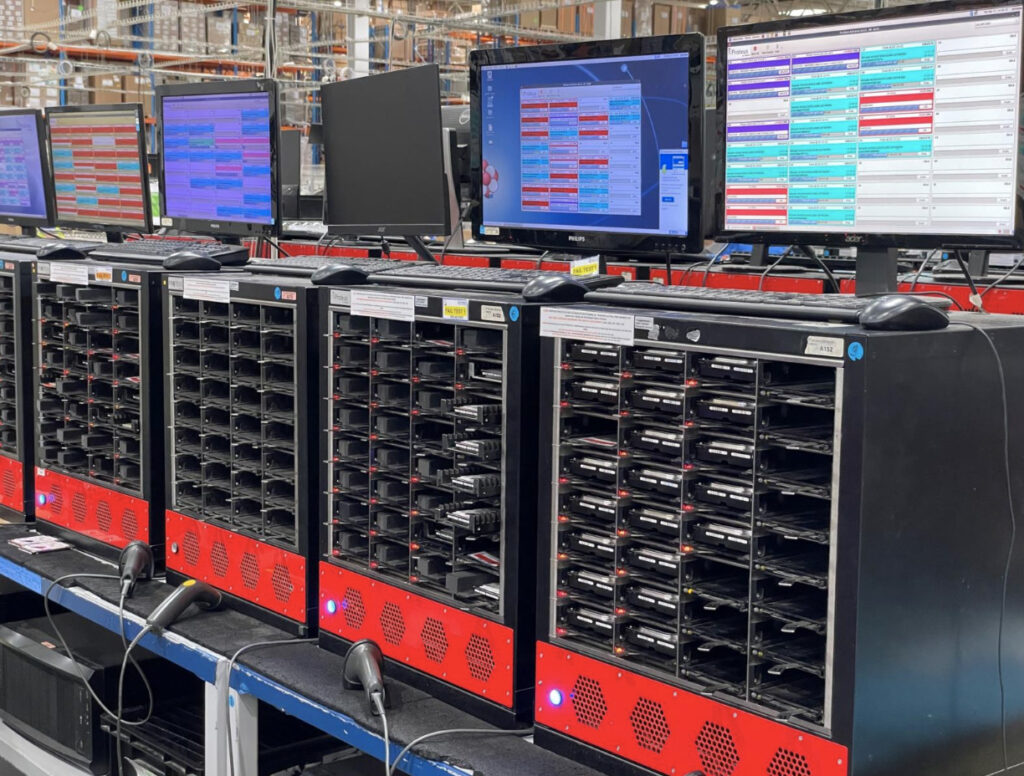
Recovery work has become precise. At Reconext sites, more than 1.4 million drives have passed through complete erasure and validation with a reuse yield of ninety-seven percent. NAND chips that once went straight to shredding now pass through forensic erasure, reballing, and functional test. A single recovered module avoids roughly five hundred kilograms of carbon and almost two hundred thousand liters of water compared with new manufacture. These are consistent numbers, not projections.
Hardware itself often outlives its refresh slot. When Microsoft extended server lifespans from four to six years, the company saved three billion dollars. Amazon shows similar outcomes with its six-year cycle. Performance gains have slowed across several generations. For many workloads, new equipment only brings small improvements. Once operators take a clear look, the economics of recovery become obvious.
AI workloads have changed the tempo. Power is the first constraint that hits. Cooling follows. Then procurement. Racks stay full. Supply chains tighten. Teams try to keep expansion schedules steady even when the grid gives them little room. In that environment, ending the life of good hardware early creates risks that did not exist before. Every reusable board, module, and drive becomes part of how a site stays on track.
Recovery is now part of how modern data centers hold their shape. In regions where grid pressure rises, refurbished components fill the gaps. A site without spare power still has work to process. Newly recovered SSDs and boards keep that work moving. Operators use them to stabilize older clusters and bridge procurement delays. The focus is uptime, not sustainability.
People inside data centers already understand this. They know when a drive tests clean. They know when a board still has life in it. They see the histories inside systems like Proteus and the audit-ready records inside an advanced analytics platform. The capability is in place.
The challenge is bringing the rest of the organization along. Many companies have not revised their end-of-life policies in a decade or more. Some still assume erasure cannot be verified. Others were written when the cost of new equipment was lower and power was easier to secure. Internal teams often support reuse. They just lack the authority to move past established habits.
This creates a blind spot at the exact moment the industry can least afford one. Hardware cycles are accelerating. AI demand shapes design choices across the entire lifecycle. Power availability is unstable in several regions. Regulatory expectations around energy efficiency and circularity continue to rise. In this environment, the cost of keeping old assumptions in place adds up fast.
A quiet shift is underway in the companies that adapt earlier. Their policies now reflect what their engineers already trust. They treat second-life provisioning as a standard part of planning. They audit reused components with the same discipline applied to production hardware. They rely less on long supply chains and avoid delays that slow critical projects. They uncover value that once moved straight to disposal.
None of this requires a major reset. It requires alignment. Engineers, operations, and infrastructure teams already understand the technical side. The data supports them. The CO₂ savings are measurable. The financial upside is clear. The traceability satisfies the same controls that destruction once did. The slowdown lives in the distance between what the tools can now prove and what the policies still assume.
Modern infrastructure is built on tight margins. Capacity, power, and timelines all pull against each other. In that world, letting recoverable hardware fall out of circulation is not neutral. It affects budgets, schedules, and resilience. The teams that move past old assumptions are not chasing trends. They are reducing drag.
The blind spot at end-of-life closes once the organization updates its view of risk. A clear path for verified reuse opens options that were not available before. It keeps hardware working. It keeps projects moving. It gives operators more control in a landscape that keeps shifting.