

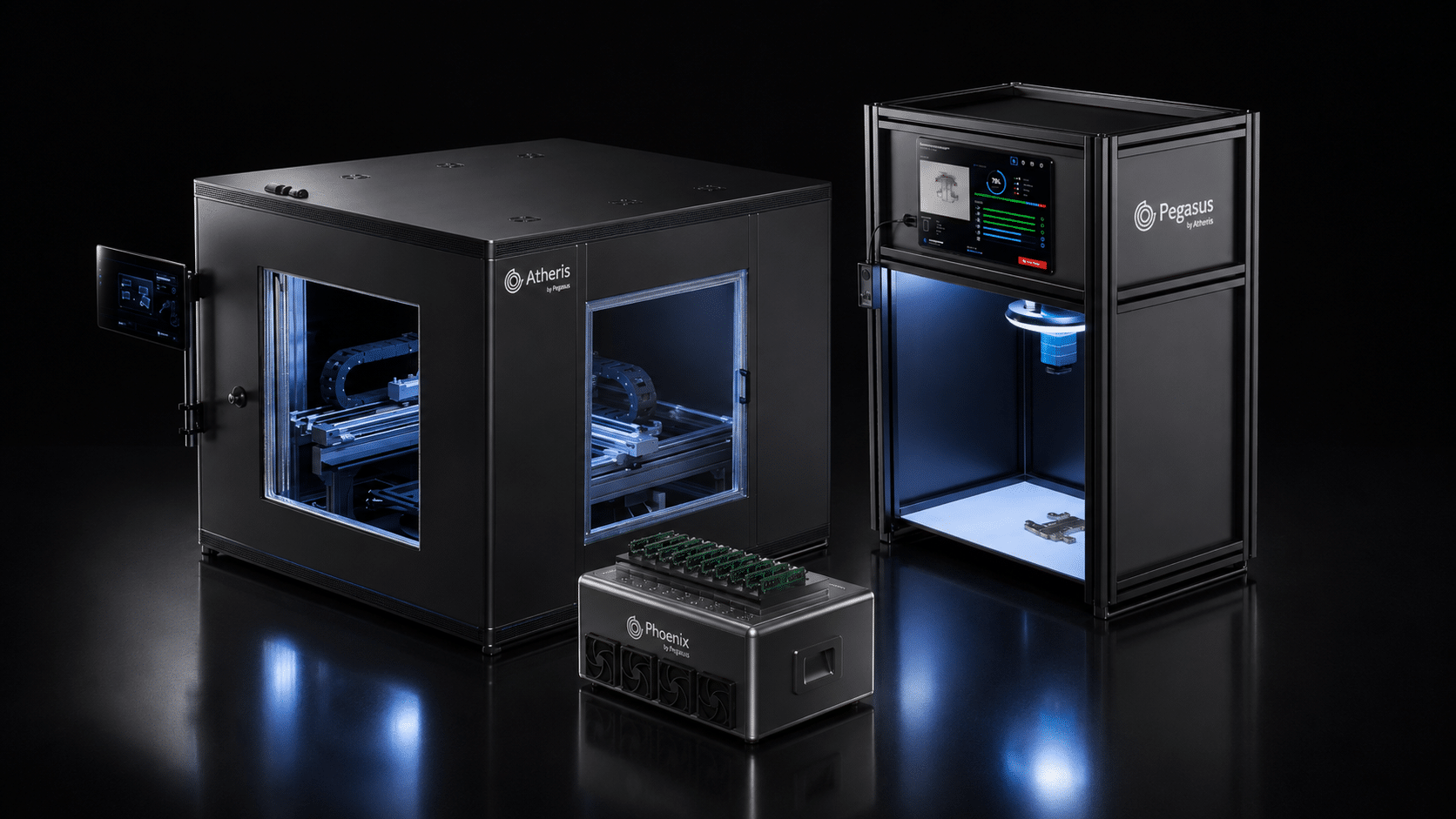
A proven platform is worth more the further it reaches. Four of our purpose-built hardware and agentic solutions are extending their coverage right now, whether that means more sites, improved process, or upgraded hardware.
Atheris
Atheris, our automated label removal platform, is now running at Grapevine, Texas alongside existing installations. Improvements have come directly out of production use. The peeling blade is now manufactured from PEEK (Polyether Ether Ketone), a high-performance engineering polymer with significantly greater heat and wear resistance than the previous material. PEEK retains the flexibility the application requires, so the blade lifts labels without scratching or marking the surface underneath, preserving cosmetic condition and the recovered value of the device. The blade also lasts considerably longer and handles stubborn labels that previously required rework. Adding controlled vibration to the peeling action speeds removal further and releases firmly attached labels cleanly. The change has been validated and is being retrofitted to Atheris systems already in the field, so programs running today receive the improvement without waiting for new equipment. 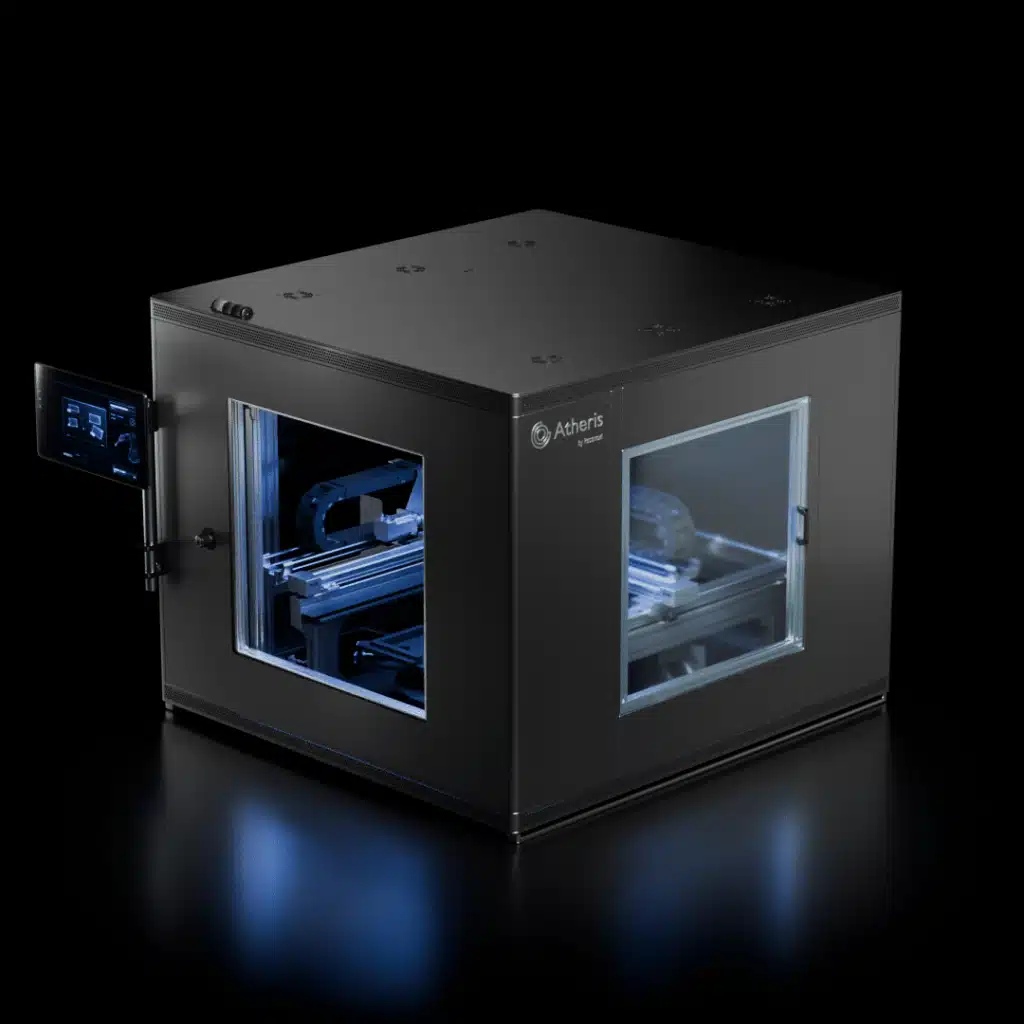
Pegasus
Pegasus, our AI-driven optical receiving platform, is fully in production across two program lines in Memphis and is now being configured for LCD receiving in Mexicali, with further US and Mexico sites in preparation. 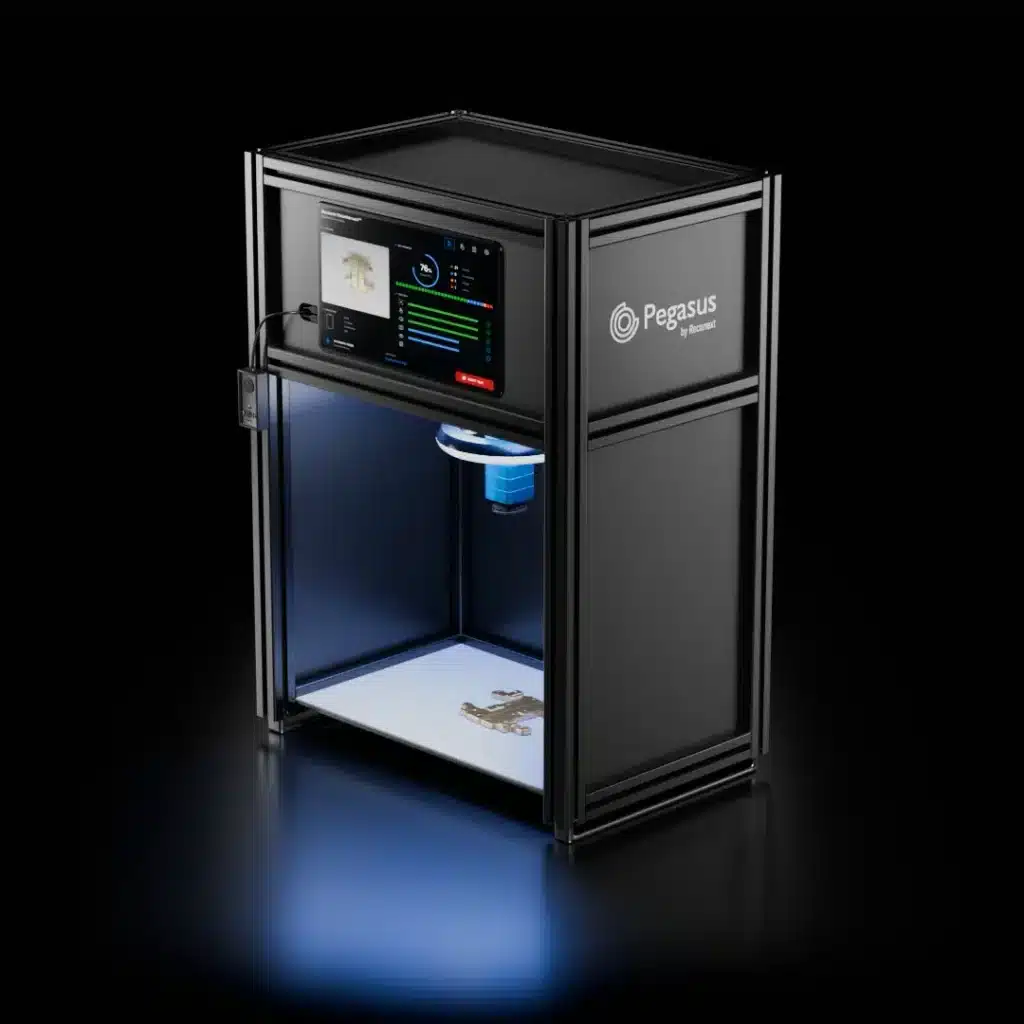
AI Inspection in BGA Refurbishment
Our proprietary Automated Optical Inspection platform is now in production within the BGA refurbishment process. A single station inspects approximately 500,000 BGA devices per month and applies the same criteria to every device, without the variability that manual review introduces. We are extending inspection from the final quality check into earlier process steps. Catching defects closer to their source keeps rework cheap and reduces the risk that anything reaches the end of the line, and yields hold steady as coverage expands.
Phoenix DDR5
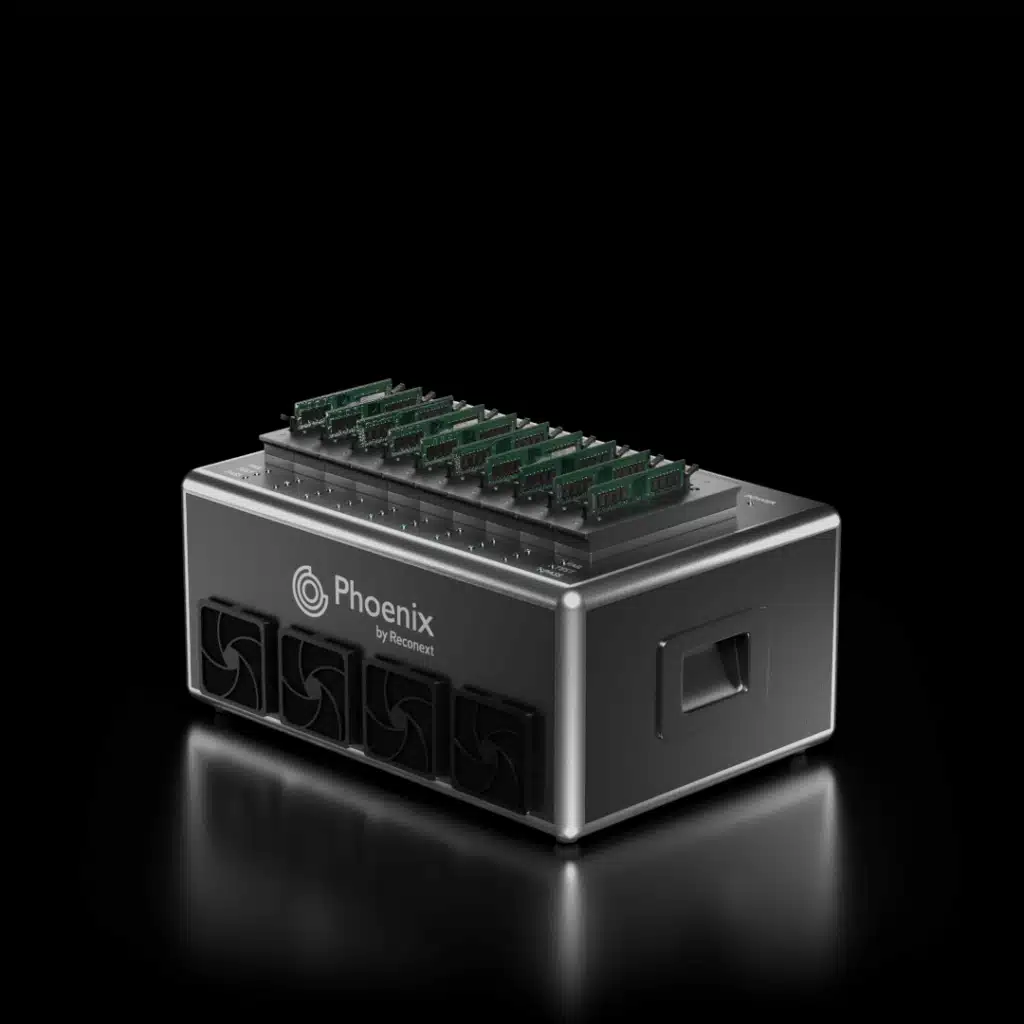
Phoenix tests DDR memory modules at the signal level, catching intermittent faults and marginal signal issues that host-based testers miss. It is proven in production on DDR3 and DDR4, and the DDR5 version is approaching production release, bringing the same depth of coverage to current-generation memory.
What This Means for Our Partners
The same platform behaves the same way in Grapevine, Memphis, and Mexicali, and that consistency is what makes a multi-site program predictable to run. Each extension of coverage takes out another manual step, another source of variability, another opportunity for a defect to travel further than it should. If you are looking at where automation could pull cost or variability out of your program, our engineering team can walk you through what these platforms are doing in production today.


