Reverse logistics programs are usually scoped as transportation. But the exposure sits in everything transportation doesn’t cover: custody records, data still resident on drives, and reconciliation across sites and regions.
That gap widens during a refresh, a site relocation, or any infrastructure change that retires hardware faster than an asset register can absorb it. Closing it takes planning before the first pallet moves, secure transport, asset-level tracking, verified data protection, and coordination across every site and region in scope.
When these elements are managed well, reverse logistics helps organizations reduce risk, maintain chain of custody, preserve asset value, and move equipment toward secure asset disposition. This article outlines six planning practices that support a more secure and consistent process.
Key Takeaway
Effective reverse logistics protects retired IT assets through secure transportation, documented chain of custody, data sanitization, and timely processing.
What Is Reverse Logistics in Enterprise IT?
Reverse logistics is the process of collecting, transporting, tracking, and processing IT equipment that is no longer needed at its original location. A hardware refresh or site closure sets this in motion. Assets leave their original locations and move to a recovery center or IT asset disposition provider.
This process is more complex than forward logistics because retired assets rarely leave from one standardized location. Equipment may be distributed across multiple sites, each with different collection schedules and regulations.
Before collection begins, organizations need to determine:
- How assets will be packed and transported
- Where data sanitization will take place
- Which local or cross-border regulations apply
- Whether equipment should be processed locally or transferred elsewhere
- How quickly assets must reach the next stage to preserve value
Skip this planning and a hardware refresh becomes the point where assets go missing. Untracked devices in staging areas or third-party vehicles can be lost or stolen, and a single unsanitized drive can turn a routine refresh into a data breach. Undocumented handoffs break the chain of custody, and inventory gaps surface too late to investigate.
A well-planned reverse logistics program gives enterprises greater control over asset movement and creates a secure path toward reuse, resale, refurbishment, parts recovery, or responsible recycling.
Best Practices for Enterprise Reverse Logistics
The strongest programs are built in the planning phase. The six practices below determine how efficiently equipment moves toward secure asset disposition.
1. Involve Your ITAD Partner Early

Organizations often involve an IT asset disposition provider after collection dates, asset lists, and service levels have already been finalized. At that stage, the provider has limited ability to improve the plan.
Bring the provider in early and they can flag customs restrictions before shipments stall, spot collection constraints before dates lock, and steer assets toward better recovery routes. That only works if the partner knows the regions and has real recovery experience behind them.
2. Define the Project Scope Accurately
The terminology used in an RFP or scope of work can affect how retired equipment is classified and which regulations apply.
For example, describing all equipment as “waste” may create unnecessary requirements when devices are still suitable for second-life usage. In parts of Europe, this classification may trigger Annex VII documentation and delay collection.
The scope should reflect the intended outcome for each asset. Waste classifications should be reserved for materials that cannot be recovered after processing.
3. Allow for Regional Differences
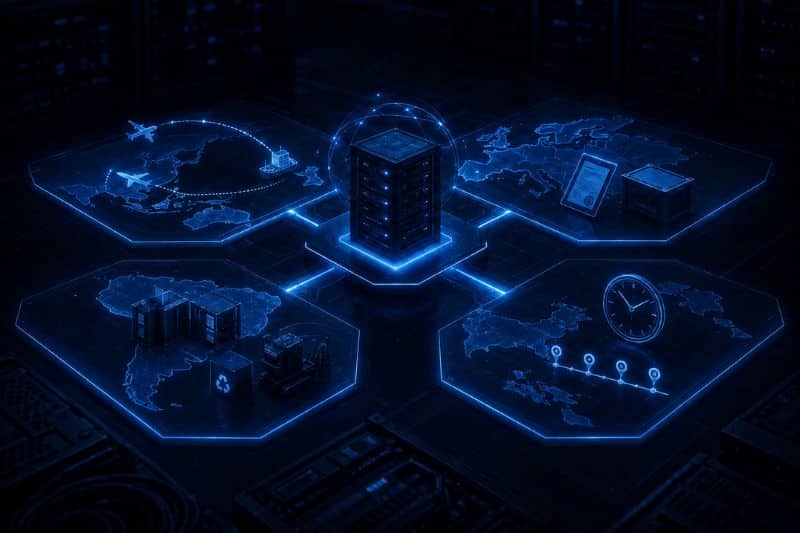
A global reverse logistics program needs consistent governance, but local execution must reflect regional conditions.
Transport networks, customs procedures, documentation requirements, and processing options differ by country. A service level that works in one market may be impractical in another. Exporting equipment may also cost more than processing it locally, particularly where cross-border regulations are complex.
Collection schedules, transportation routes, and disposition options should therefore allow for regional variation.
4. Plan Data Sanitization Before Collection
Data security decisions should be made before equipment leaves the site. Waiting until assets reach a processing facility may expose sensitive information during transportation.
The sanitization method and location should reflect the type of data stored on each asset. Equipment containing financial records, employee information, or other sensitive data may require sanitization on-site. Don’t forget devices like printers, photocopiers, removable media, and legacy storage equipment. They are easy to overlook, but they may still contain data and require secure handling.
5. Maintain a Documented Chain of Custody
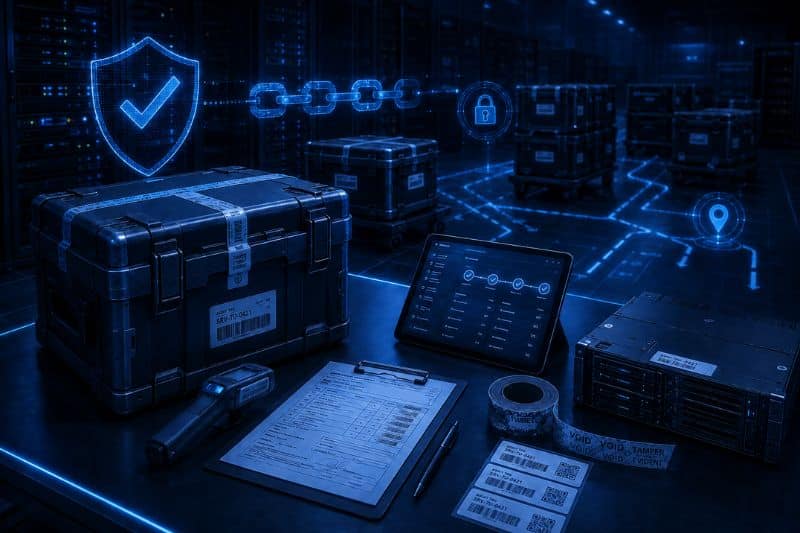
Transportation decisions should consider reliability, security, and transit time alongside cost. A cheaper route may create more handoffs or keep assets in transit longer. This can delay processing and reduce recovery value.
Evaluate carrier security procedures, expected delivery times, escalation processes, and regional capacity before selecting a route.
Each asset transfer should then be documented and reconciled. Tracking should continue from collection to final disposition. Regular reconciliation makes it easier to investigate a missing asset while the equipment is still moving through the process.
6. Prepare Documentation in Advance
A collection can be operationally ready and still be delayed by missing paperwork. Customs approvals, export records, import documentation, and regulatory forms may determine when equipment can legally leave a site.
Documentation planning should confirm:
- Which documents and approvals are required
- Who is responsible for each task
- What supporting records must be provided
- How long reviews or customs clearance may take
- Whether local procedures or holidays could affect the schedule
Documentation should progress alongside operational planning so local teams can resolve gaps before collection begins.
These practices create a more controlled reverse logistics process by reducing delays, strengthening security, preserving asset value, and supporting the right disposition outcome.
How Reverse Logistics Improves Value Recovery and Sustainability
Efficient reverse logistics moves equipment into testing and processing before its market value declines. Faster collection, reliable transportation, and accurate asset records help providers determine each device’s best recovery path.
These recovery routes can extend product life and reduce the volume of equipment sent directly to recycling. Assets that have no viable reuse option can then be processed through responsible recycling channels. This approach supports both financial recovery and more sustainable management of retired technology.
What to Look for in a Reverse Logistics Partner
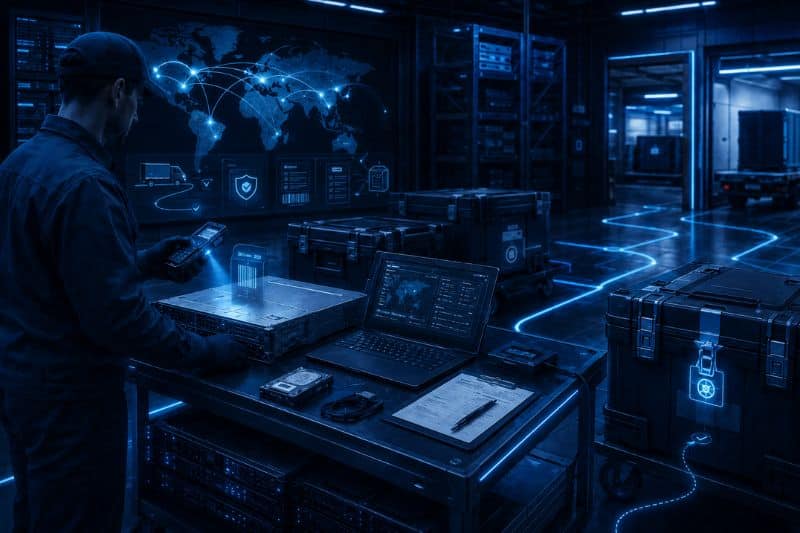
A reverse logistics provider should do more than collect and transport retired equipment. Check any candidate against these five marks.
- Shapes the plan before dates lock. Knows local transport, customs, and regional processing options.
- Protects assets from pickup to disposition. Documented transfers, secure transport, data sanitization, and a process for discrepancies.
- Owns the paperwork. Customs, regulatory, and reporting tasks have named owners and lead times, especially across borders.
- Matches each asset to the right outcome. Condition and value drive the route, from redeployment to responsible recycling.
- Prices against the full picture. Cost sits alongside security, reporting, and recovery expertise.
Conclusion
Successful reverse logistics starts before the first asset is collected. Decisions about scope, transportation, data sanitization, documentation, and chain of custody shape how securely and efficiently retired equipment moves through the process.
Strong planning helps organizations reduce delays, improve asset visibility, protect sensitive data, and preserve recoverable value. It also creates a controlled path toward redeployment, refurbishment, resale, parts recovery, or responsible recycling.
Reconext supports enterprise reverse logistics programs with secure handling, regional expertise, consistent processes, and reliable reporting.
Contact Reconext to learn how we can help simplify asset recovery while protecting data, supporting compliance, and preserving value.
FAQs
What is reverse logistics in enterprise IT?
Reverse logistics is the process of collecting, transporting, tracking, and processing IT equipment that is no longer needed at its original location. Assets may move from offices, data centers, or warehouses to a manufacturer, recovery center, or IT asset disposition provider.
The process supports secure handling, data protection, value recovery, and responsible disposition.
What is the reverse logistics process?
A typical enterprise reverse logistics process includes:
- Project planning
- Asset collection
- Secure transportation
- Inventory tracking
- Data sanitization
- Testing and grading
- Refurbishment, redeployment, resale, parts recovery, or recycling
- Final reporting
A well-managed process improves asset visibility and helps equipment reach the most appropriate disposition outcome.
What is the difference between return logistics and reverse logistics?
Return logistics typically focuses on receiving products or equipment sent back by a customer or user. Reverse logistics covers the broader operational process of collecting, transporting, tracking, inspecting, and recovering returned or retired assets.
Why is chain of custody important in reverse logistics?
Chain of custody creates a documented record of each asset as it moves from collection to final disposition.
Consistent tracking and reconciliation help reduce the risk of missing equipment, data exposure, reporting gaps, and unauthorized handling.
How do you choose a reverse logistics provider?
Look beyond transportation costs. A capable provider should offer:
- Early planning support
- Regional and cross-border expertise
- Secure chain-of-custody controls
- Data sanitization capabilities
- Documentation management
- Clear reporting
- Asset recovery and disposition expertise
The provider should be able to explain how each part of the process supports security, compliance, value recovery, and consistent execution across locations.