Data sticks around. On drives you’ve pulled from racks, on devices you’ve boxed up, on storage you swore was “retired.” If it isn’t destroyed the right way, it’s still a liability waiting to leak.
The question isn’t whether to destroy data. It’s how. Smash the hardware and you lose value. Wipe it properly and you protect the information and keep the asset in play. That choice is where data security, compliance, and ROI intersect.
Key Takeaway
Data destruction is about making information permanently unrecoverable. The method matters. Physical shredding guarantees loss of both data and hardware value. Certified data sanitization achieves the same security outcome while keeping devices in circulation, which means stronger compliance, measurable ESG gains, and real money back from resale.
What is data destruction?
At its core, data destruction means making information impossible to recover. Not hidden, not deleted, not sitting in a recycle bin — gone.
There are two main data destruction methods. The first is physical destruction: crushing, shredding, or melting the device until the data-bearing parts are rubble. The second is logical destruction: using certified software or firmware processes to overwrite or sanitize the storage media so the original information can’t be reconstructed.
Both methods can meet regulatory and legal requirements. Both protect against sensitive information being leaked. The difference is in what happens next. Physical destruction leaves you with nothing but scrap. Wiping leaves you with a clean, usable drive or server that still holds value.
That’s where the real decision begins: do you want destruction to be the end of the story, or the start of recovery?
Why data destruction matters for businesses
Every device in your environment is a container of risk. Laptops, servers, hard drives, storage arrays — they don’t just hold workloads; they hold the history of your business. Customer records, financial data, medical records and proprietary code. When those devices reach end-of-life, the risk doesn’t expire with them.
Breaches don’t only come from hackers. They come from an old drive slipping through disposal, a forgotten server sent to a reseller, or an unverified vendor destroying sensitive information carelessly. One mishandled device can mean fines, lawsuits, and headlines your comms team doesn’t want to write.
That’s why information security and asset disposition are a core part of business continuity and brand protection. Get it wrong, and you’re explaining to regulators why “retired” equipment was found online. Get it right, and you protect your customers, your compliance record, and your balance sheet all at once.
The hidden costs of traditional data destruction
For years, the default play was simple: shred the drives, shred the servers, call it safe. The problem is, that safety comes with a heavy price tag.
When you destroy hardware, you destroy its value. A server that could be resold for tens of thousands becomes a pile of scrap worth pennies on the dollar. All the data may be gone, but so is the asset value. Drives that could have been wiped, tested, and resold for hundreds each are reduced to e-waste. Across a full data center, that’s not just security — it’s millions in lost recovery.
And then there are the fees. Paying vendors to haul and shred equipment adds cost. Paying recyclers to handle e-waste adds more. Meanwhile, your ESG reports show missed opportunities for reuse and environmental sustainability.
The irony is painful: the “safest” method is often the most expensive, both financially and environmentally. Traditional destruction guarantees compliance, but guarantees loss with it.
Data wiping: the smarter form of destruction

Wiping is still destruction, it just doesn’t waste the hardware. Certified data wiping uses overwrite processes, sanitize commands, or cryptographic erase functions to make every bit of data irretrievable and completely unreadable. To regulators and auditors, wiped properly means destroyed.
The difference is in what survives. After wiping, the drive or server is empty of data but intact as an asset. That means it can be redeployed inside your business, resold into secondary markets, or donated to partners who can put it back to work.
And proof is built in. Serialized erasure reports tie every device to a method and a result, so when compliance teams ask, you’re not waving at a shredder — you’re handing them a digital receipt.
Wiping gives you the same security outcome as shredding, but with more options, more accountability, and more value left on the table.
Why resale beats recycling
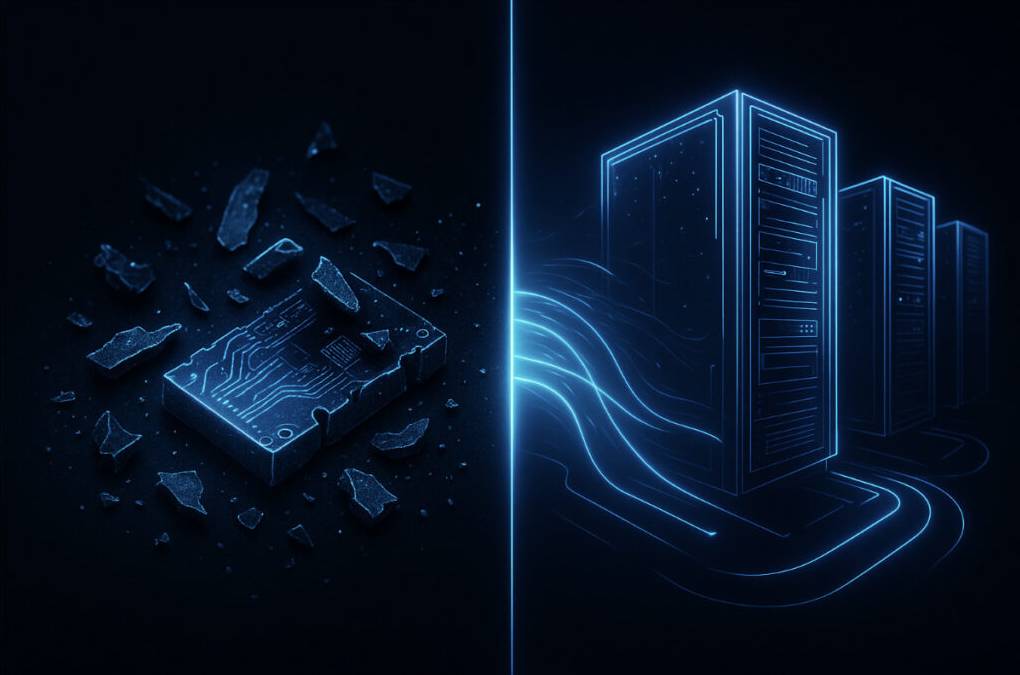
Recycling sounds responsible, but in practice it’s the least valuable option. Scrap metal markets return only a fraction of what working hardware is worth, often under 10% of original value.
Resale tells a different story. A securely wiped SSD can be resold for hundreds of dollars. A decommissioned server, tested and certified, can bring back 20–40% of its original value. Across hundreds or thousands of units, the difference between resale and recycling is millions.
There’s also the lifecycle impact. Every refurbished drive or redeployed server delays the need to manufacture a new one. That’s less e-waste, less carbon, and more progress toward ESG targets. Recycling might keep gear out of landfills, but resale actively keeps it in circulation.
The hierarchy is simple: wipe first, resell where possible, recycle only what’s truly end-of-life.
Choosing the right partner for data destruction
Not all “data destruction” services are created equal. Some vendors shred everything, hand you a certificate, and call it a day. That’s simple, but it’s also where value is lost and risks creep in.
A reliable partner should bring more than machines that crush drives. Look for:
- Onsite and off site options. Some assets can be wiped in place, others need secure transport.
- Serialized tracking. Every asset should be logged from rack to resale or recycling.
- Certificates that mean something. Not just paper, but detailed proof of erasure or information destruction tied to each device.
- Secure logistics. Sealed containers, GPS-tracked trucks, and insurance that covers the real value of what’s moving.
The wrong choice here can be dangerous. Uncertified recyclers have been caught reselling data-bearing devices. When that data surfaces, it’s your liability, not theirs.
Choosing a partner is really about choosing trust. Without full transparency and verifiable proof, “data destruction” is just a promise.
Reconext’s wipe-to-resell approach
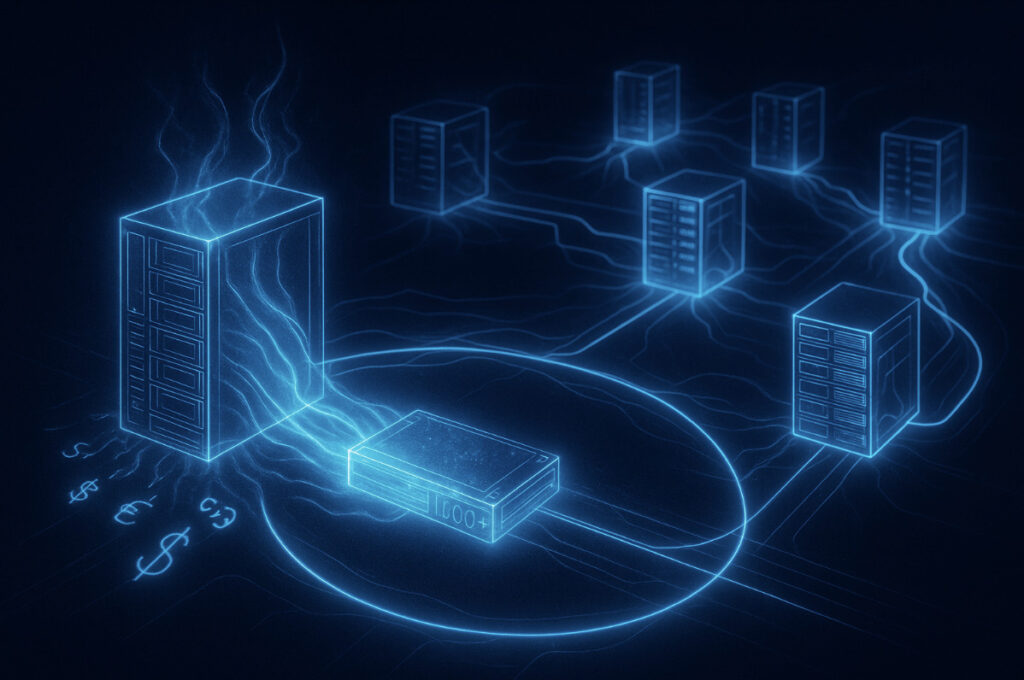
At Reconext, destruction doesn’t mean waste. Our model starts with certified wiping — using standards like NIST 800-88r1 and IEEE 2883 — to sanitize assets securely while preserving their resale potential. Drives and servers that pass verification go back into circulation, creating revenue instead of scrap.
When wiping isn’t possible, we escalate to destruction. But even then, we handle it under certified processes (R2v3, e-Stewards, ISO 14001) that ensure environmental responsibility and airtight custody.
Our global footprint means the process works wherever your IT assets are: onsite wiping for sensitive environments, secure transport to one of our facilities, and resale or recycling managed end-to-end. Proprietary automation like Rackwipe clears racks in hours, automatically logging serials and generating certificates. Proteus, our ADISA-certified diagnostics and erasure platform, ensures each drive is sanitized to the highest standards before resale or recycling.
The outcome is simple: stronger compliance, lower risk, measurable ESG impact, and recovered value. Data destruction becomes part of the circular economy instead of the waste stream.
When destruction backfires
A large enterprise once hired a low-cost recycler to handle server disposal. The vendor promised “secure destruction,” but their process was neither certified nor verified. Months later, drives from those servers appeared on secondary markets, still carrying customer records and internal financial data.
The fallout was immediate. Regulators opened an investigation. Clients demanded answers. The company faced fines, lawsuits, and a reputational hit that cost far more than whatever they saved by picking the cheapest option.
The lesson is clear: destruction without proof isn’t destruction. It’s exposure.
When wiping pays off
Contrast that with a global data center customer who worked with Reconext. Instead of defaulting to shredding, we deployed onsite wiping and serialized tracking across thousands of drives. Each device produced a certificate of erasure, and assets that passed verification were moved into resale channels.
Using Proteus for secure verification and Rackwipe for at-scale execution, we wiped and tracked entire racks quickly and with full transparency. The results were tangible: millions recovered in resale value, zero compliance gaps, and ESG reporting that showed measurable carbon and waste reduction. What could have been a cost center turned into a line item of value recovery, all while regulators and auditors signed off without question.
Conclusion
Data destruction can be a strategic choice. Shredding may feel final, but it throws away value and leaves you with nothing but costs. Certified wiping delivers the same security outcome while creating resale revenue, extending asset lifecycles, and strengthening ESG reporting.
At Reconext, we turn end-of-life into opportunity. By combining wipe-to-resell processes with certified fallback destruction, we help enterprises retire risk, recover value, and prove every step with audit-ready documentation.
Ready to secure your data and recover value from retired assets? See Reconext’s Data Center Decommissioning Services.
Data destruction is the overall goal: making information permanently unrecoverable. Wiping is a certified method that achieves destruction without destroying the hardware, which preserves value for resale or redeployment.
Only as a last resort. Drives that fail wiping verification, or hardware at true end-of-life, should be physically destroyed under certified standards. Otherwise, wiping is the safer and more cost-effective default.
Wiped and resold assets can return 20–40% of their original value. Shredded drives and servers usually net less than 10% as scrap, making resale of IT assets a smarter move.
The key ones are NIST 800-88 Rev.1 and IEEE 2883 for sanitization, ADISA-tested wiping tools for verification, and R2v3 Appendix B for reuse. Physical destruction should follow certified environmental standards like R2v3 or e-Stewards.
Data destruction isn’t just about wiping drives – it’s about protecting the business. Failing to comply with data protection regulations can result in data breaches, regulatory fines, reputational damage, and lost resale revenue. Even a single mishandled device can create legal and financial fallout.
It’s not just servers and laptops that hold sensitive data. A wide range of electronic media can store information, from solid state drives and hard disk drives to older magnetic media like tapes. Even smaller electronic devices such as smartphones, tablets, and networking gear often have data stored that could pose risks if not securely destroyed. A good policy is to treat every storage device as if it contains sensitive information until it’s been verified and cleared.
The decision often depends on compliance needs, resale potential, and the condition of the hardware. Certified data erasure using trusted data destruction software is preferred when devices are still functional, as the process ensures the information is unrecoverable while keeping the hardware valuable. Shredding is only recommended for damaged drives, failed wipes, or when regulations demand physical disposal. Aligning the method with data protection regulations helps businesses stay secure and reduce unnecessary loss of assets.