

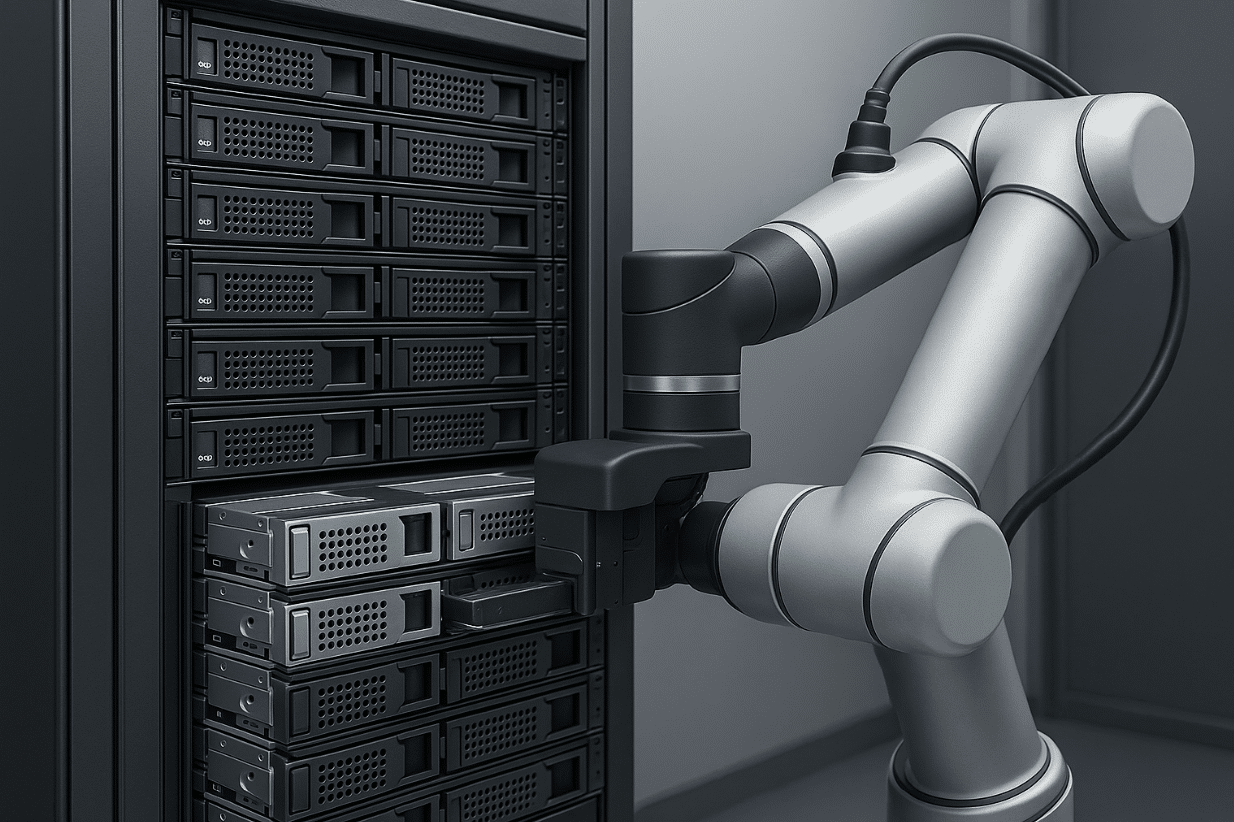
In the world of enterprise servers, every model looks a little different. Ports change. Backplanes shift. Carriers and sleds come and go. These small variations cause friction during onboarding, because each configuration needs its own procedure for safe and consistent data sanitization.
Over the past year, our storage engineering teams in Havant and Penang have been building a way around that friction. The outcome is an automated Rackwipe workflow that adapts to a wider range of SAS and SATA servers without forcing engineers to rebuild scripts and fixtures for every product family.
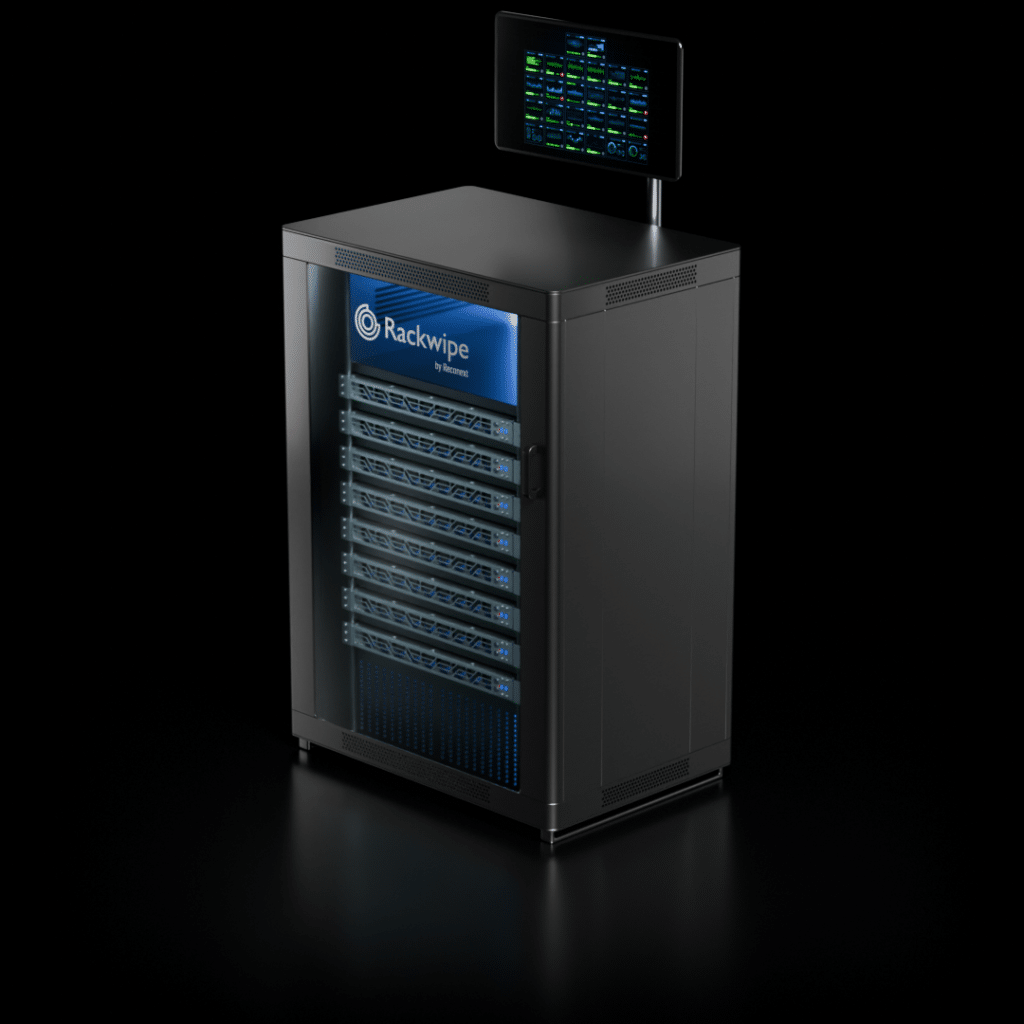
The newest release went live this month. It introduces a more flexible detection and handling layer that identifies server characteristics, applies the correct wipe sequence, and routes exceptions into a simple review path. For operators, it turns a complex job into a predictable one. For engineers, it clears away hours of work that used to be spent writing custom onboarding routines. For customers, it delivers a consistent, auditable experience across their mixed fleets.
The team is already working on the next update. The goal is to expand the system to include NVMe based configurations, which are becoming more common as enterprises move to faster storage architectures. Once that capability is ready, the same approach can be scaled across additional hardware families without having to rethink the entire workflow each time.
This is a practical improvement with a clear impact. Onboarding new servers becomes cleaner. Ramp time shrinks. Operators spend less time interpreting variations across hardware. Customers see steadier cycle times and fewer surprises.
When you process thousands of units with dozens of potential configurations, predictability is everything. The latest Rackwipe update moves us closer to a world where every server follows the same steady path through the line, no matter how it is built.


