On paper, recycling a data center sounds simple. You shut down the racks, pack up the gear, and send it off for responsible disposal. Easy, right?
Then the reality hits.
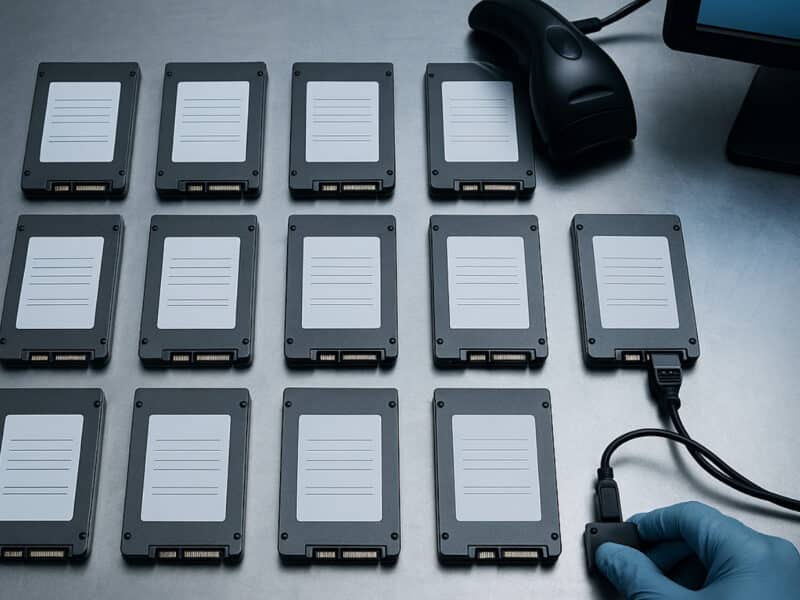
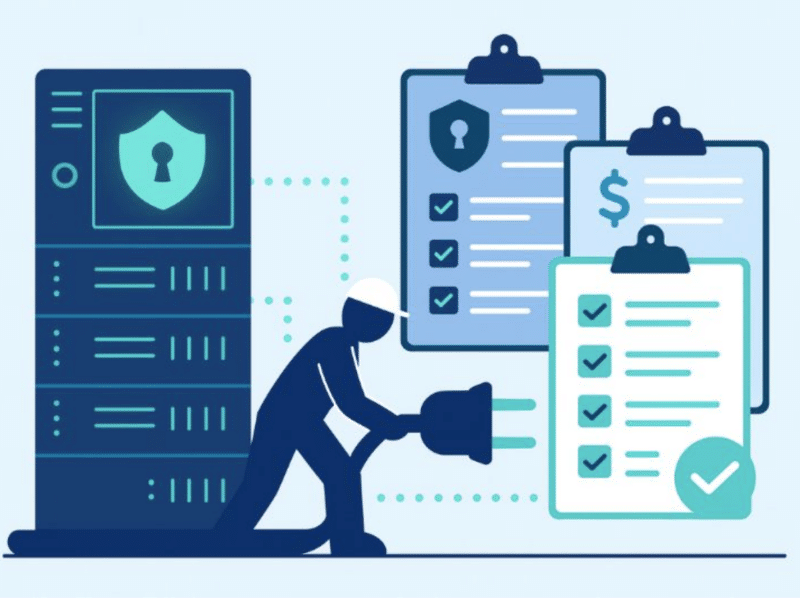
Every cable, drive, and rack in that room carries a different kind of risk – data that can’t leak, metals that need to be recycled properly, and hardware that still holds value if you handle it right. What starts as a simple cleanup quickly turns into a full-scale data center equipment recycling project, complete with serialized tracking, certified data erasure, and more documentation than you expected.
At that point, every company faces the same question:
Do we try to handle this ourselves, or bring in a professional partner who does it every day?
The truth is, both approaches can work but only in the right circumstances.
Key Takeaway
Use DIY for small, low-risk, low-volume projects with clear internal controls.
Choose a professional partner for anything involving sensitive data, mixed asset streams, resale value, or audit requirements.
What “Data Center Recycling” Really Means
When most people hear data center recycling, they picture shredders, scrap bins, and truckloads of e-waste.
But in reality, the process starts long before anything is destroyed.
True recycling begins with reuse. The first question isn’t how do we dispose of this equipment, but can it safely live another life? Most hardware can – if it’s securely wiped, tested, and remarketed. Each device that’s reused prevents another one from being manufactured, which means less waste, less carbon, and less cost.
Only after that reuse window closes does recycling in the traditional sense take over. That’s when certified partners recover metals, plastics, and batteries safely – breaking down components, not value. The goal isn’t to cling to outdated equipment; it’s to extract the last bit of usefulness from everything in your racks before letting it go. So, when we talk about data center equipment recycling, we’re really talking about a sequence: reuse what you can, recover what you can’t, and prove you did it responsibly.
When a DIY Approach Works
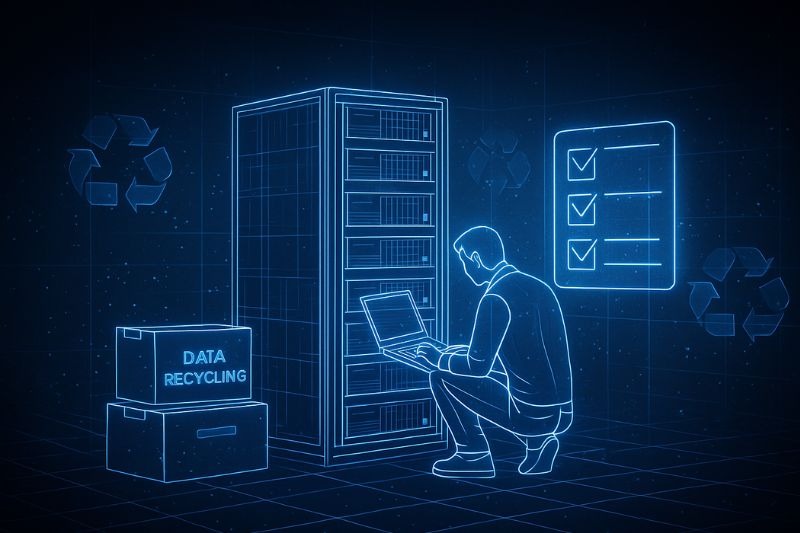
Let’s start with the good news: not every project needs a professional team.
If you’re dealing with a single site, a small batch of assets, or a low-risk environment, a disciplined internal process can absolutely work.
The key word there is disciplined.
DIY recycling works best when timelines are flexible, data is already encrypted or non-sensitive, and your team has the technical know-how to document every step. In those cases, managing it yourself offers tighter control and helps internal teams understand the nuts and bolts of their own infrastructure lifecycle.
But the trade-offs become obvious fast. You’ll spend more internal labor on coordination. Your resale reach will be limited, since most buyers require certified proof of erasure. And if compliance ever comes into question, your “we did everything right” won’t mean much without auditable records to back it up.
In other words, DIY is less about saving money and more about managing risk and that’s only worth it if your risk profile is genuinely low.
When to Bring in a Professional Partner
At scale, everything changes.
Once you’re decommissioning across multiple sites, handling drives with regulated data, or working under tight deadlines, the margin for error disappears. That’s where a professional ITAD partner earns their keep.
A certified provider brings structured workflows, tested sanitization systems, and established resale channels. Every drive is wiped to NIST 800-88 or IEEE 2883 standards. Every asset gets a serialized Certificate of Erasure or Destruction. And every movement – from rack to truck – is tracked under a full chain of custody.
The difference is confidence.
When your audit trail lives in a single digital portal, your logistics are insured and GPS-verified, and your recycling streams are all R2v3 or e-Stewards certified, you can finally stop worrying about what might have slipped through the cracks.
Yes, professional services cost money. But that cost is often offset by recovered resale value and reduced internal disruption – not to mention the cost of a single data-handling mistake.
Decision Matrix: Which Path Fits Your Situation?
Evaluate your environment across six dimensions to find the right approach:
| Factor | Low | Medium | High |
| Volume | Few racks or assets | Single site | Multi-site, enterprise scale |
| Data Sensitivity | None or test data | Internal workloads | Regulated or customer data |
| Timeline | Flexible | Moderate | Urgent decommission |
| Internal Expertise | Experienced ITAD staff | Partial knowledge | Limited or new team |
| Resale Potential | Low-value or obsolete | Some secondary value | Modern, high-demand gear |
| Audit Requirements | Minimal | Occasional | Strict compliance required |
If most of your answers are Low, a disciplined DIY plan can work effectively with good recordkeeping and verification.
If any answers are High, a certified professional partner is the safer and more efficient choice. If you fall into the Medium range on several factors, consider a hybrid approach. Many organizations handle basic tasks internally, such as inventory, labeling, and staging, and then bring in a professional partner for secure data sanitization, resale, and certified recycling. This approach balances cost control with compliance and value recovery.

If You Go DIY, Do It Right
If you do decide to handle recycling internally, treat it like a regulated process, not an afterthought.
That means maintaining an asset inventory, performing verifiable wipes, removing all identifiers, separating batteries and media, and documenting everything.
Without proof, even perfect work doesn’t count in the eyes of compliance.
What to Look for in a Partner
Not all ITAD vendors operate at the same level. Look for partners that combine data security, value recovery, and environmental compliance into a single Not all ITAD vendors operate at the same level, and that’s where many recycling projects go wrong.
The best partners combine data security, value recovery, and environmental compliance in one continuous workflow.
Look for clear signs of maturity:
- A reuse-first policy, not a shred-first one.
- In-house testing and remarketing, not outsourcing everything downstream.
- Standards-aligned data sanitization (NIST 800-88 or IEEE 2883).
- Transparent reporting and chain-of-custody documentation.
- Certified recycling partners with R2v3, e-Stewards, or ISO 14001 credentials.
Good partners talk less about disposal and more about lifecycle. Because in the modern data center, nothing should be destroyed without reason.
Bringing It All Together

Whether you manage it in-house or work with a professional ITAD provider, the point of data center equipment recycling isn’t to clear a room, it’s to protect your data, recover your value, and prove your responsibility.
For small, low-risk projects, DIY can be a great way to stay hands-on. For anything larger or sensitive, a reuse-first partner helps you decommission confidently and keep your compliance airtight.
If you’re not sure which side of that line your project falls on, that’s exactly what Reconext is here for – helping teams turn old infrastructure into new opportunity, without losing sleep over what’s left behind.
FAQs: Data Center Recycling
Often, yes. A reuse-first partner can generate resale value that offsets or exceeds service fees, especially for modern or enterprise-grade IT assets.
Yes, if they’re wiped to standard and verified with a Certificate of Erasure. Devices that fail verification should be destroyed and recycled under certification.
Relying on a factory reset instead of proper wiping, mixing wiped and non-wiped assets, skipping accessories that boost resale value, and neglecting to keep audit proof.
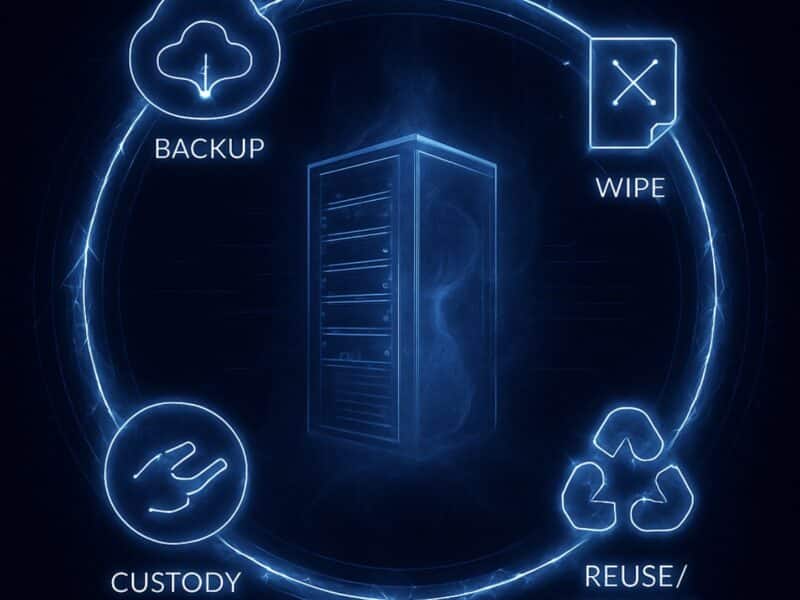
Start by cataloging all data center assets — servers, storage, networking gear, and power components — into a detailed asset inventory. A structured data center decommissioning project follows clear steps: backup, data wiping, hardware testing, packaging, and secure logistics. Accurate inventory tracking ensures nothing is lost, mislabeled, or left unsecured during disposition.
Responsible recycling programs reduce e-waste by prioritizing reuse and certified material recovery. They extend equipment lifecycles, recover valuable metals, and ensure plastics and batteries are processed safely.
Reliable data center decommissioning services combine asset disposition expertise with strict data protection controls. Look for providers offering certified erasure, serialized reporting, and compliant downstream recycling. These safeguards ensure every asset is either securely reused, resold, or recycled without risk to data integrity or environmental responsibility.