Bujang DRAM Chip-Level Recovery and Testing
Why DRAM recovery was always skipped
Most ITAD and recovery operations discard failed memory modules without ever checking if the chips inside are still usable. The reason? Lack of tools.
Traditional systems can’t rework BGA packages or run chip-level diagnostics. If a DIMM fails functional testing, it’s written off, regardless of how many of the chips are still functional.
That’s a lot of waste. And a lot of value left on the table.
What Bujang recovers (that others miss)
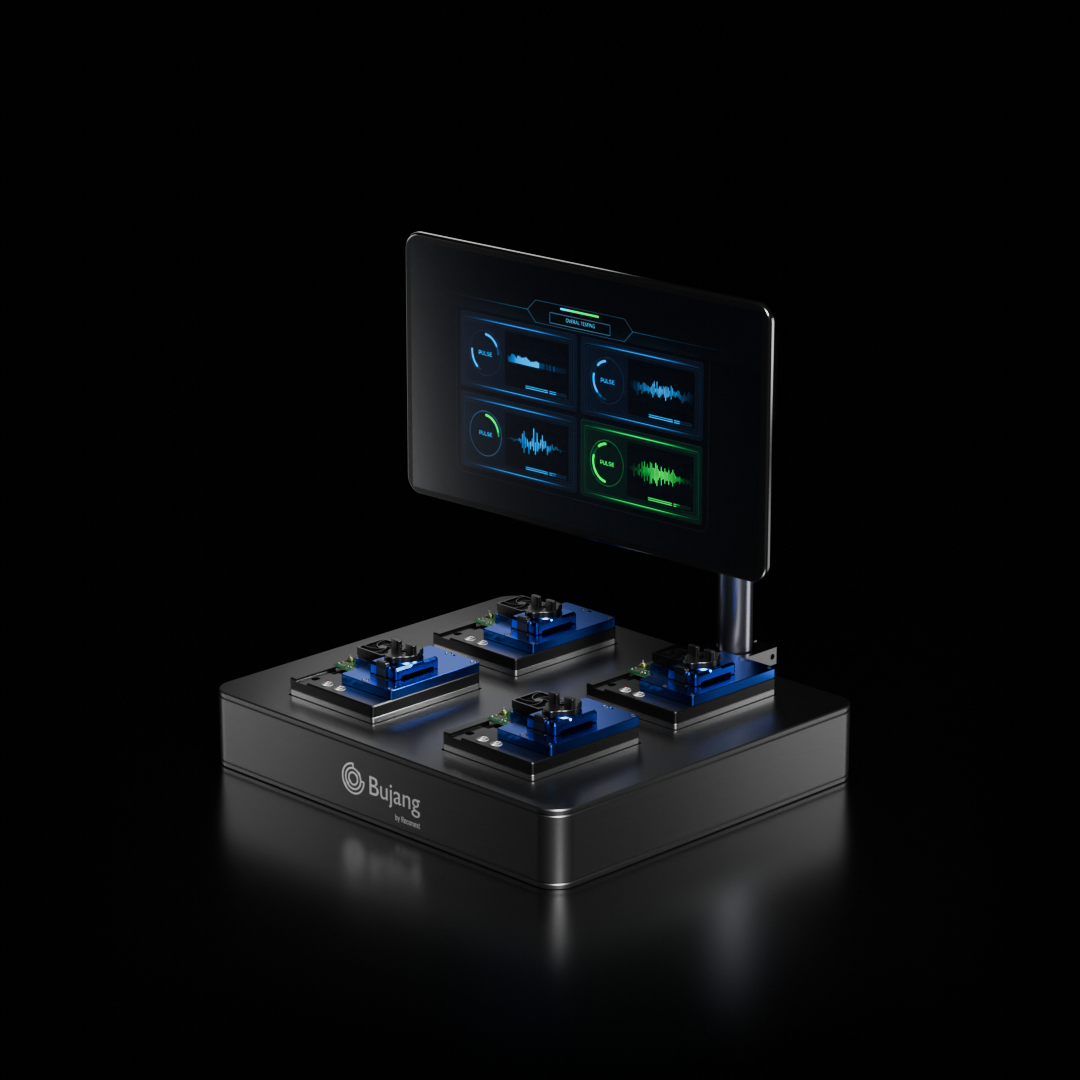
Bujang is purpose-built for DRAM chip-level recovery. It extracts usable DDR3 and DDR4 chips from failed memory modules and brings them back into play.
The system reballs and reflows BGA chips using surface mount rework stations, then validates each one with electrical tests that simulate real-world workloads. Good chips are logged, packed, and reused. Bad ones are flagged and responsibly discarded.
It’s not about salvaging the whole DIMM. It’s about recovering what’s still valuable and traceable at the chip layer.
Secure and traceable by design
- Secure ErasureIf required, Bujang ensures any residual data is wiped during the validation process.
- Batch-Level ReportingEach tested chip is logged by batch and timestamped, with CSV reports generated automatically.
- Component-Level Traceability Reclaimed chips can be traced through production, packaging, and deployment.
- QA System IntegrationData feeds into your inventory and quality assurance workflows.
Smarter recovery through DRAM test data
Every chip tested by Bujang generates electrical performance logs – data that goes far beyond pass/fail. That information becomes an asset for tuning thresholds, improving rework techniques, and benchmarking suppliers.
Yield Optimization
Track recovery rates by DIMM batch, failure type, or reballing outcome to refine upstream handling.
Supplier Comparison
Evaluate DRAM chip performance by vendor or lot to inform sourcing decisions.
Defect Pattern Recognition
Identify consistent anomalies that may signal upstream process issues or packaging faults.
Feedback to Design + QA
Use real-world test results to improve module architecture and preventive screening.
Chips Recovered From Failed DIMMs
%
Electrically Tested Chips
> 95%
Accuracy In Reball + Inspection
Up to 60%
Savings Versus Virgin DRAM
Residue Post-Erasure Assurance
How Bujang turns failed DIMMs into usable DRAM
Harvest
01
Refurbish
02
Chips are re-balled and reflowed for socket compatibility and electrical integrity.
Test
03
Sort + Deploy
04
Common Deployment Questions
Can DRAM chips be reused safely after being removed from a failed DIMM?
Why not just recover the entire memory module instead of the chips?
What’s the difference between Bujang and standard DIMM testing tools?
How does Bujang integrate with existing QA and inventory systems?
It generates batch-level CSV reports with timestamps, electrical validation outcomes, and chip IDs. These reports can be imported into most ERP or QA systems to maintain traceability through refurbishment and resale.