Picture this: fifty thousand laptops enter your asset recovery pipeline in a single quarter. They represent millions of dollars in recoverable value, measurable ESG outcomes, and significant brand exposure in secondary markets. Jackpot!
Yet they also represent one of the most operationally complex device categories. Laptops arrive in mixed condition, require cosmetic and functional grading, and contain sensitive data. Just a few small inconsistencies can quietly shave off 3–5% in residual value. No dramatic breakdown.
This is the reality of manual refurbishment. At scale, the process either protects value or slowly erodes it. Technicians make reasonable but slightly different decisions about cosmetic preparation. Devices enter grading in uneven conditions. Sites develop their own operating cadence. Throughput shifts with staffing levels. Nothing appears broken in isolation, yet results begin to diverge. By geography. By team. By month.
Multiply that across tens of thousands of units, and subtle variation becomes tangible financial impact.
This is where your refurbishment partner matters. At Reconext, our approach has been to remove variability before it affects program results. We’ve been building upon an end-to-end automated framework (check out the latest member of our robot family here) that introduces control at every step of the process.
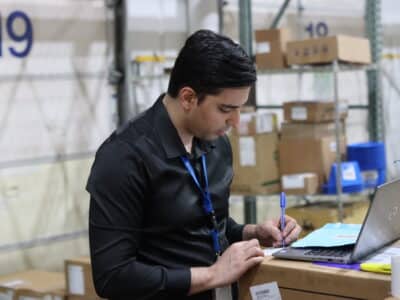
- It all begins with Mila at automated intake and receiving, where devices are serialized, logged, and condition-documented in a structured system rather than in disconnected spreadsheets. Every unit enters the pipeline with a recorded baseline.
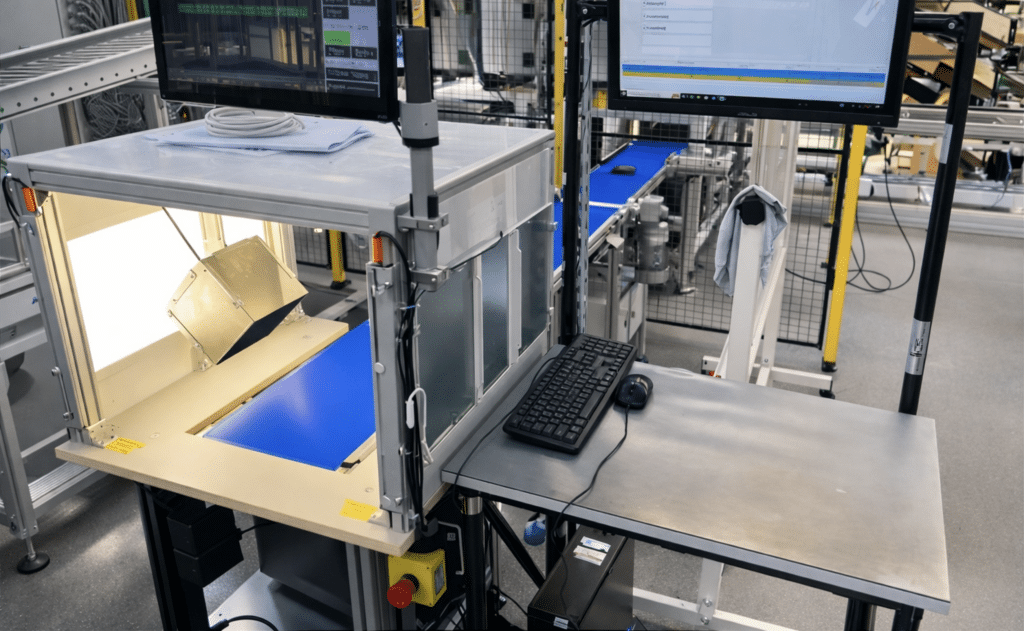
- From there, devices move into Hydra, which handles automated cleaning. They pass through a standardized, conveyor-driven sequence designed to remove debris, residue, and surface contamination. Instead of technician-dependent preparation, every laptop exits cleaning in a consistent cosmetic state before inspection ever begins.
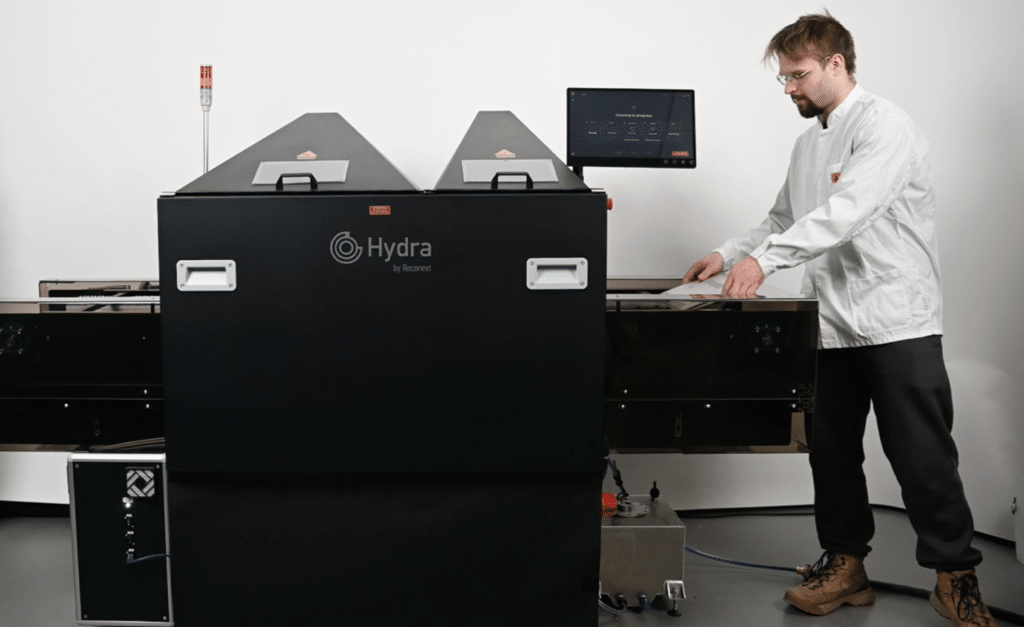
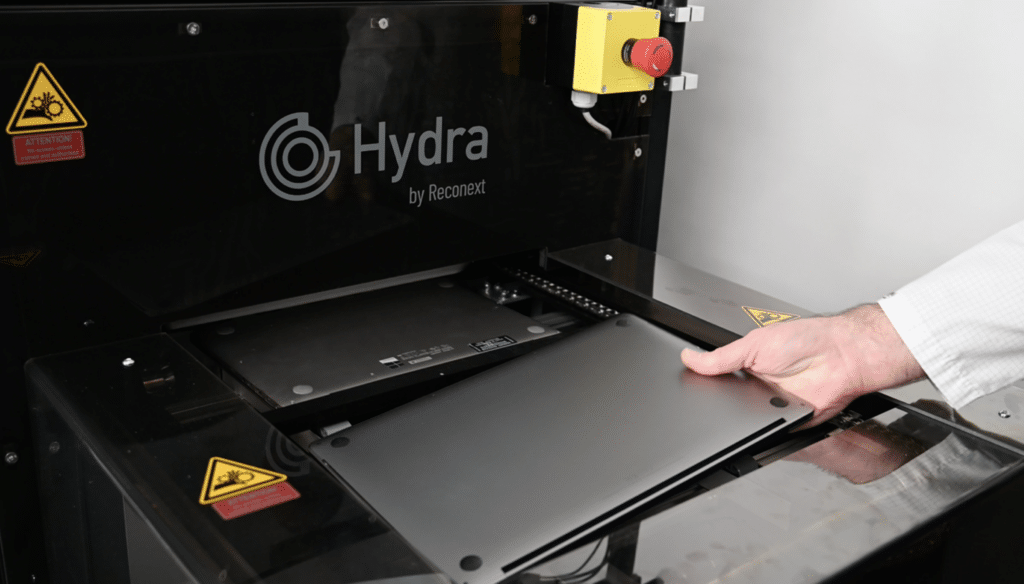
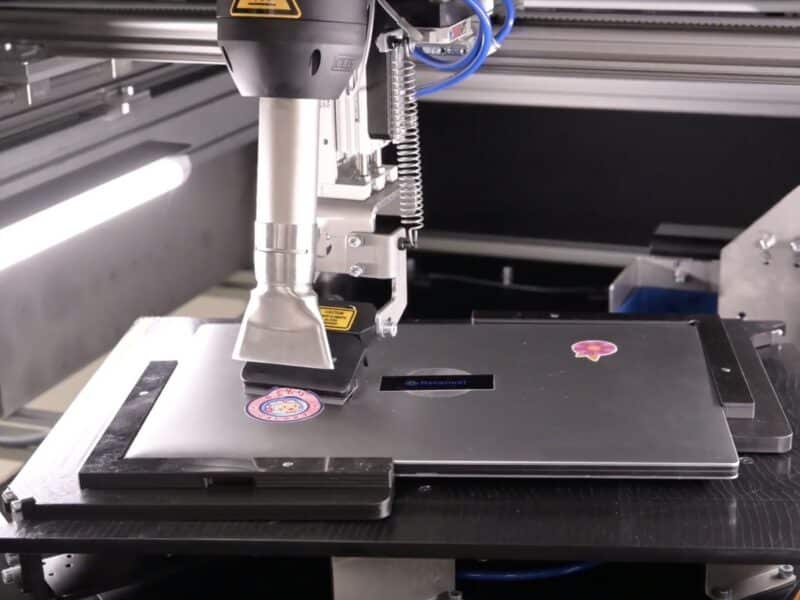
- Next comes automated label removal via Atheris, eliminating adhesive residue through a repeatable process that prevents cosmetic damage and avoids time-intensive manual scraping. Devices move forward without visual inconsistency or surface compromise.

- Devices then enter automated cosmetic and mechanical inspection handled by Optiline, where imaging and diagnostic systems assess condition against defined grading criteria. Evaluation is based on captured data and standardized thresholds, not subjective interpretation.
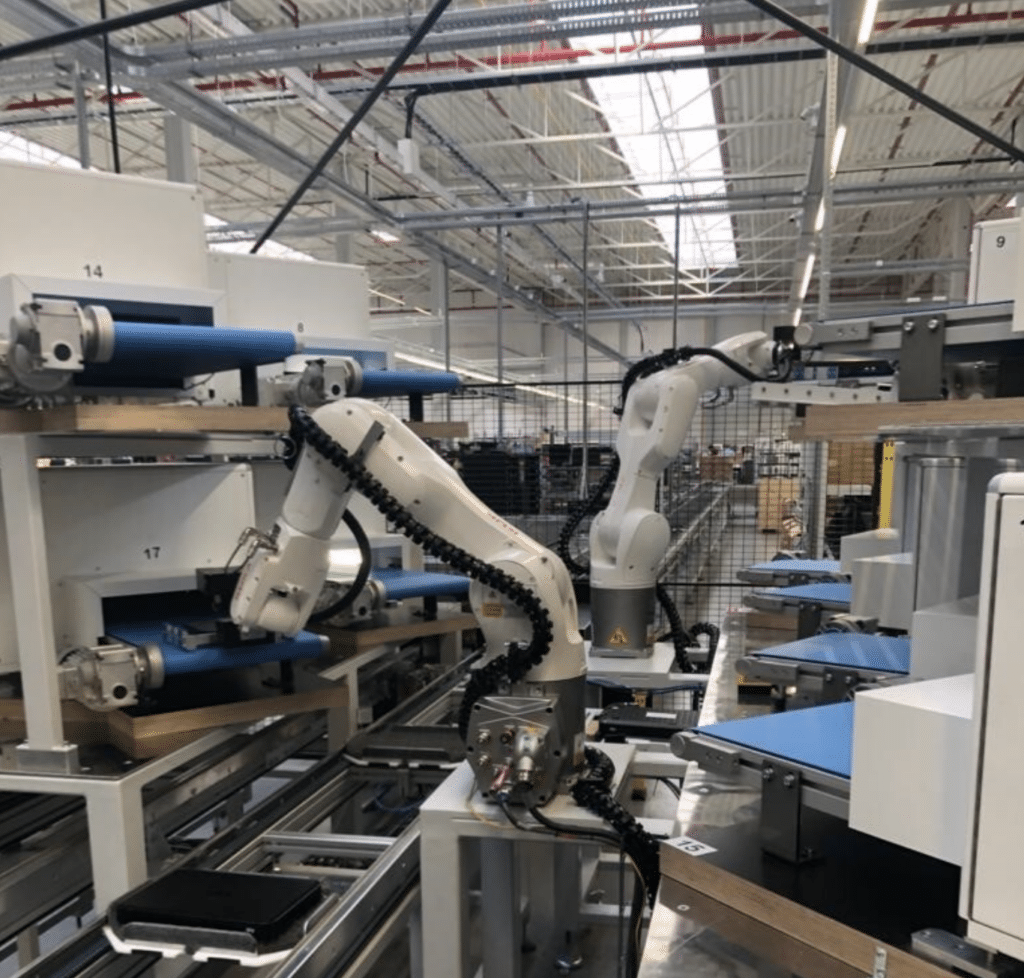
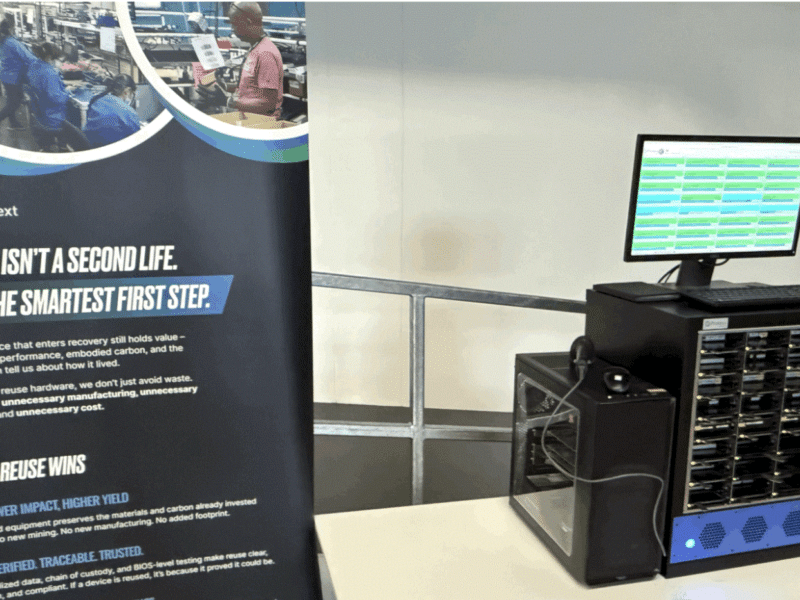
- Following inspection, laptops proceed to automated data wipe and diagnostics, where Spectrum X executes sanitization protocols and verifications within a controlled environment. Each device’s wipe status and functional results are recorded, creating a defensible audit trail.

Only after these automated stages do units route to structured repair or component restoration when necessary. Even here, decisions are informed by upstream data rather than guesswork.
Because each stage is connected, the process captures structured data as devices move forward. That record of condition at receipt, actions taken, and outcomes follows the unit. When multiple facilities operate under the same production logic, results align. Variation between programs and sites narrows because execution no longer depends on localized interpretation.
Automation protects pricing, brand, and compliance by eliminating variability from the process. At high volume, control is the difference between preserved margin and preventable loss.