How one global electronics company solved a growing inspection bottleneck.
Cosmetic inspection has always been a difficult part of hardware recovery. Some devices are simple to check. Others have angles, lenses, seams, coatings, and surfaces that hide flaws until they show up in the next customer’s hands. As device designs become more complex, manual inspection becomes slower, less consistent, and more expensive.
A global consumer electronics company reached that point last year. They were processing large volumes of advanced headsets. Each device included internal and external cameras, curved lenses, and multiple reflective surfaces. Every return needed a cosmetic grade. Every grade needed to be accurate enough to guide refurbishment.
Their team did the work manually. Fifteen operators stood at inspection benches, turning each device under the light and checking for micro scratches, dust, or small marks. The work was slow. The variation was high. Throughput limited the rest of the repair flow.
They asked for a better method.
A different way to inspect
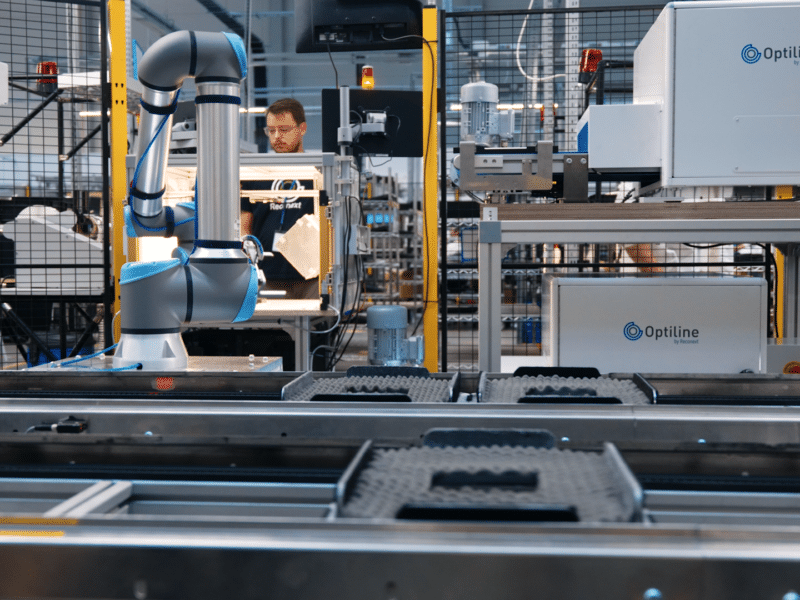
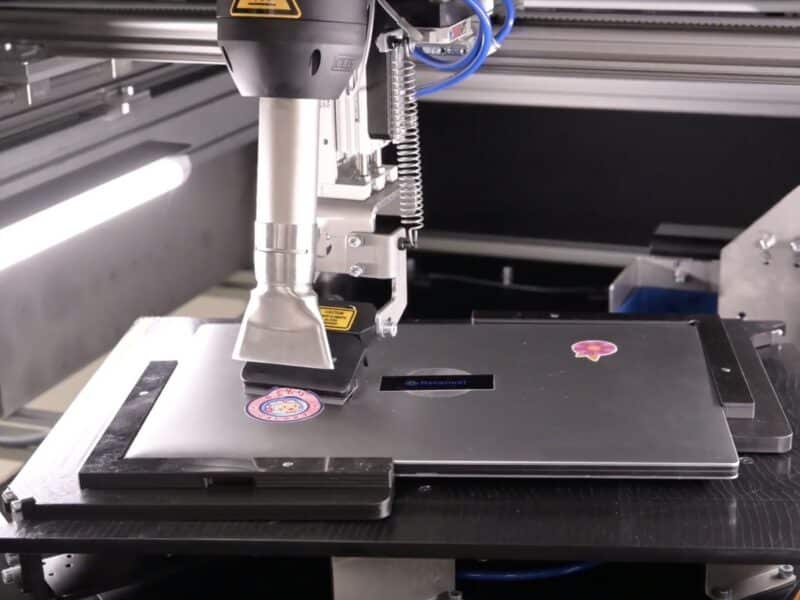
We brought in an OptiZ system. It looks straightforward from the outside: a robotic arm, a set of high-resolution cameras, a controlled light dome, and a touch display. The inner setup matters. The system lights each surface in a precise pattern. The cameras move through a sequence that captures angles an operator cannot see easily. The robot repeats the exact path every time.
The system creates a 3D model of each device and marks every area that requires attention. The operator can rotate the model on the screen, look at each point, and decide what the next step should be. The process is simple and fast. After inspection, the operator performs the required cosmetic work and sends the device forward.
Within weeks, the company moved from manual inspection to a mixed workflow where OptiZ carried the primary load.
What changed for them
The number of operators needed for cosmetic grading dropped from fifteen to approximately five. Throughput increased. Quality became more consistent. The team saw fewer disputes between grading and rework because the defect map was clear and reproducible.
This improvement gave them the confidence to expand. They added more machines to the site. Then they ordered additional units for two more sites. The work grew from a trial to an operational standard.
The shift also uncovered a secondary benefit: the inspection data helped the team understand which parts on these devices wear out most often. That data became part of their parts planning process. It improved forecasts and reduced the need for last-minute procurement.
Preparing for the next set of devices
The company processes more than one product line. After the first success, they asked whether OptiZ could handle other shapes and sizes.
The system supported these without major changes. The cameras and light dome had enough coverage for most surfaces. The robot could adjust its path. The grading logic was updated for each commodity. The platform proved flexible.
Other manufacturers have reached out with similar questions. Some build audio equipment. Some build payment terminals. These devices all come with multi-surface inspection challenges. OptiZ grew out of those challenges.
Small upgrades that matter
The latest machines now run with a controlled air environment inside the cabinet. The positive pressure reduces dust and contamination. This matters because the cameras are sensitive enough to mark dust spots on a lens. The cleaner environment helps operators spend time on real defects rather than lifting particles with a cloth.
There were also improvements in how the robot grips and positions devices. Some headsets arrive slightly warped from use. The new grippers adjust to those shapes. The goal is to keep the process moving smoothly even when devices arrive in unpredictable condition.
The operator interface has been refined as well. Movements are simpler. The defect map is clearer. The workflows are easier to follow. These improvements come directly from time spent on real production lines.
What comes next
The cosmetic grading model inside OptiZ has been trained on several different device families. Headsets. Laptops. Glasses. Standard consumer devices. That training now feeds into a single model called the Universal Grader. It gives engineering teams a simple interface to define grading rules for new products. This reduces setup time and helps new programs ramp faster.
A second development is underway: a desktop version of the system. It uses a proprietary light dome, a camera, and an operator-driven workflow. The AI handles the grading. The hardware cost stays low. This version is intended for sites where volumes are lower or where a full robotic system is not required. It is also useful for smaller companies that want automated grading without investing in a full automation cell.
The final step is integration with our QA agentic agent. The inspection results flow into a decision model that helps determine the best recovery path for each device. It looks at parts cost, labor time, resale value, and historical sales depth. It guides technicians toward the economic option with the highest recovery potential. The combination of grading, refurbishment, and resale data creates a more predictable recovery cycle.
Why this matters for the industry
Hardware teams are facing higher volumes, more device variety, and tighter expectations from customers. Manual inspection cannot keep up with this pace. It slows the line. It introduces variation. It makes forecasting difficult. Automated grading gives teams a way to maintain consistency and scale at the same time.
Any company managing returns, trade-in programs, warranty flows, or refurb operations will recognize this challenge. Complex devices require reliable inspection. They also require speed.
OptiZ sits in that gap. It handles the part of the workflow that used to hold everything else back.